


Bulk
Food & beverage

Food & beverage manufacturing software for plants still run on clipboards — batch traceability, HACCP evidence and recall in minutes without an ERP replacement

Every batch, traceable to the pallet. Bulk holds lot genealogy, CCP checks and shelf-life on one live record — so a mock recall is a query, and the BRCGS pack assembles itself.

Your plant, on one record

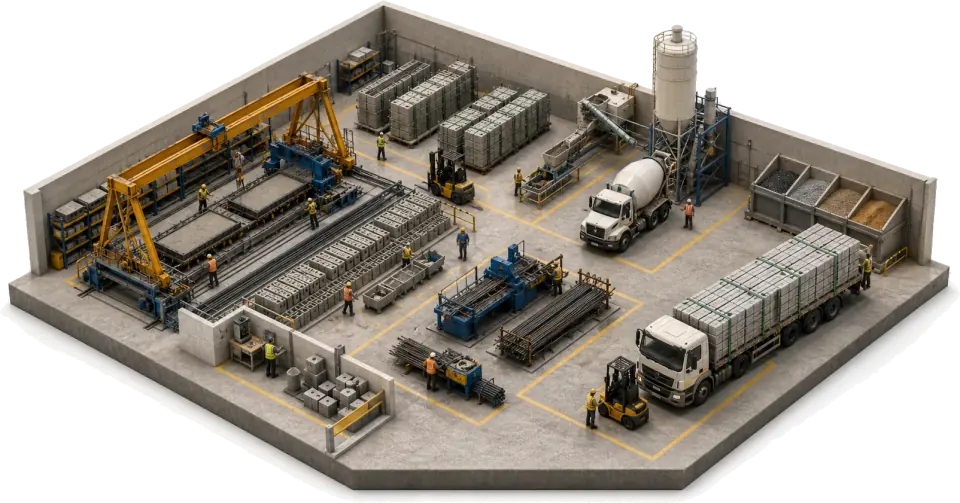
This is your plant. These are the modules on it.

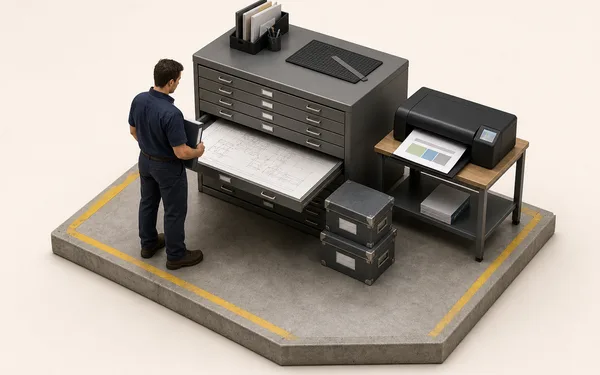
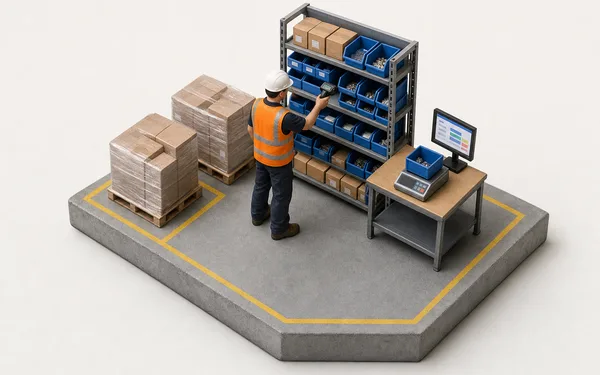
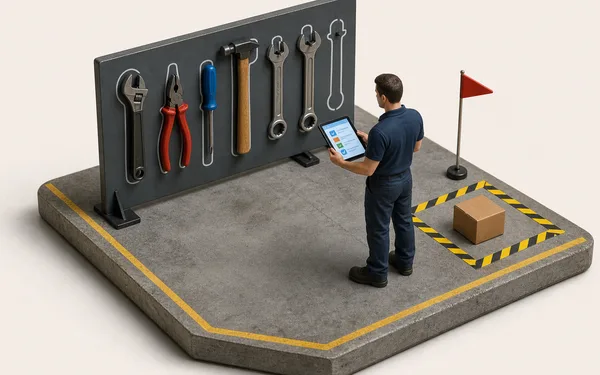
A food and beverage plant, bird view — every pin is a Bulk module doing a real job on that spot of the floor. Click one to see the module.

Module AI agent Reporting Automation
On the floor

What holds up on a live floor.

Once every job runs on one live record, these are the outcomes you can point at — not a board-pack story.

minutes Time to complete a mock recall
100% Batches with lot & pallet genealogy held
0 CCP logs left on a clipboard
99.4% Right-first-time at final QC release

Not an MES. Not an ERP. The traceability layer your plant actually needs.

Most software aimed at a food or beverage maker is either an MES that assumes an integrator, a PLC network and a six-figure project, or an ERP that wants your whole business re-platformed before the first batch ships. Bulk is the layer in between — the batch tracking, lot genealogy and food-safety record for the plant floor, without the rip-and-replace, and without a recall or a BRCGS audit finding the gaps first.

Every batch carries its own thread: the ingredient lot and cert booked at goods-in, each process step with the operator and line that ran it, the CCP check, the hold if it failed. When a supplier flags a suspect ingredient, you trace it forward to every batch, pallet and dispatch it touched in seconds — the mock recall that used to take a day, answered before the call ends.

Food and drink covers a wide plant floor and Bulk fits the same way across it — mixing and blending, filling and packing, bakery and ready meals, brewing and beverage lines. Same engine underneath, configured to your HACCP plan, your allergen matrix and your BRCGS or SALSA standard. The quality, inventory and OEE stories run the same as on any discrete manufacturing floor — the difference is the batch, the best-before and the cleandown.

How Bulk works in a food plant

From goods-in to genealogy, one thread.

Follow one batch through the plant — every step lands on the same live record, so the trace, the CCP evidence and the audit trail are side effects of doing the work.

01

Book the ingredient in

Goods-in captures the supplier lot, cert and best-before against the batch — chain of custody starts at the gate, not at the mixer. OCR reads the delivery paperwork and COAs so nobody re-types a lot code.

Data thread →
02

Make to the recipe

Each process step stamps the operator, the line and the time as the batch moves — mix, cook, fill, pack — and the CCP checks land in line, so the food-safety record and the batch history write themselves as the line runs.

Production →
03

Check and hold

A CCP or QC result out of limit raises a nonconformance on the spot, holds the batch and escalates — no suspect pallet leaves the chill store while the paperwork catches up, and the allergen or cleandown check is signed where it happens.

Quality →
04

Recall in minutes

A supplier flags an ingredient lot. You trace it forward to every batch, pallet and delivery it reached — and backward from any finished pallet to its ingredients — in one query. The mock recall that took a day, on screen in minutes.

Data thread →
The reality in your plant

The trace is only as fast as the paper.

A batch moves from intake to dispatch through hands, spreadsheets and clipboards that work — until a recall, a customer audit or an allergen scare finds the cracks. These are the three that cost you most.

01

A recall takes a day

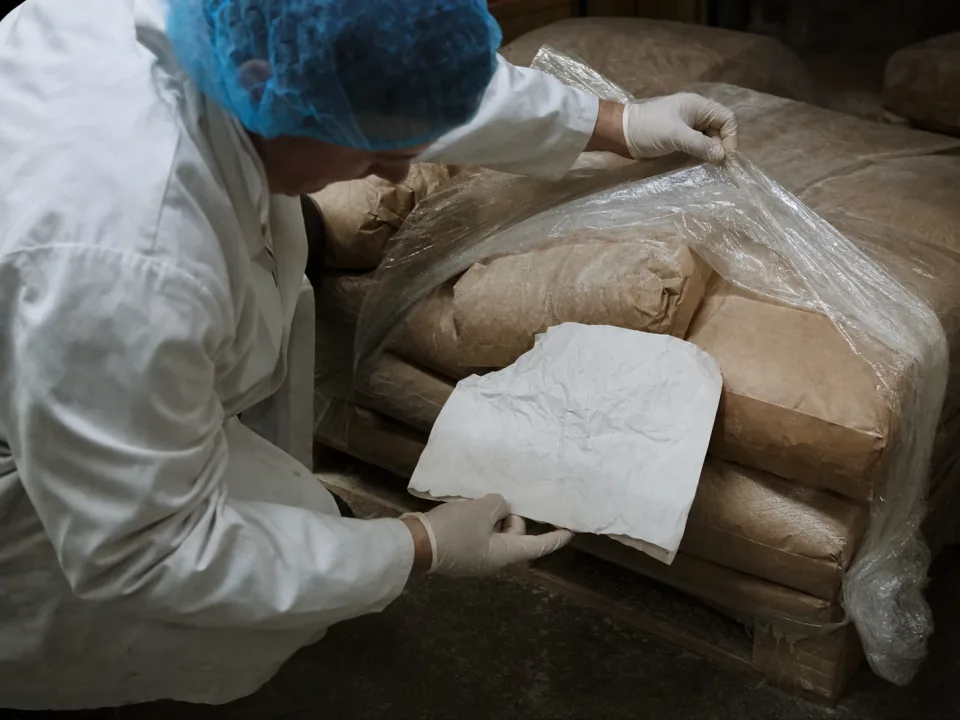
A supplier flags a lot and answering "which batches, which pallets, which customers" means walking batch sheets and phoning the line — a day of reconstruction to find what a mock recall is timed against.

02

CCP logs on clipboards

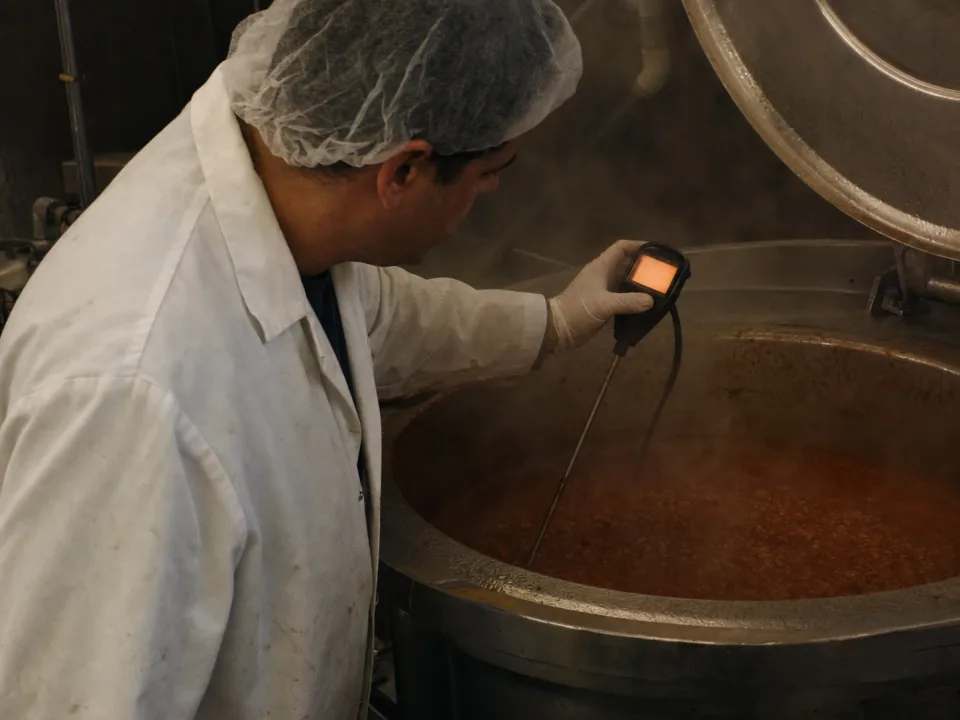
Temperatures, metal-detector checks and sign-offs live on paper at the line and get filed in a folder — so a missed check surfaces at the audit, not at the moment it could still be corrected.

03

Allergen and cleandown risk

The changeover check, the allergen matrix and the cleandown sign-off depend on the person who knows the line. When they are off, the risk of a cross-contact or a mislabel rides on memory.

Where Bulk earns its keep

The blocks that hold a food plant.

Every module ships from day one — these are the ones food and beverage makers reach for first, wired to one auditable record. Arrange the blocks around how your plant already runs.

Batch & lot traceability

Ingredient lot to batch to pallet to dispatch, held as one genealogy — so a supplier alert becomes a forward-and-back query that lists every affected batch and customer, not a day of batch-sheet archaeology.

Data thread →
CCP capture at source

Critical control points, metal-detector checks and QC results captured in line and held against the batch — a missed or failing check holds the pallet on the spot instead of surfacing weeks later at audit.

Quality →
Recall in minutes

Trace an ingredient lot forward to every batch and pallet, or a finished pallet back to its ingredients, in one query — so a mock recall is timed in minutes and the real one is contained before it spreads.

Data thread →
Inventory & shelf-life

What is in the chill store, which lot and best-before, and what to use first — stock tracked against the batch that consumed it, so FEFO and a shelf-life risk are a warning, not a write-off found on the dock.

Inventory →
Audits & BRCGS

The genealogy, CCP records and cleandown sign-offs an auditor asks for, drawn from the same live record — so a BRCGS, SALSA or customer audit is an export, not a fortnight of folder-hunting.

Audits →
Line & asset OEE

Availability, performance and quality recalculated as the line runs — on a desk monitor or a wall TV, no shift-end export — so a lost hour or a slow changeover shows up while you can still act on it.

OEE & analytics →
Proof on the floor

Every batch. Traceable to the pallet.

Once the plant is on one live record, the recall a scare used to demand stops being a day-long trawl — and the CCP evidence an auditor asks for is already there, signed where the work happened.

minutes Mock recall time at Wrenfield Foods
100% Batches with full lot & pallet genealogy
99.4% Right-first-time at final QC release
“A supplier alert used to be a day walking batch sheets to work out which pallets to hold. Now it is one search — every batch off that lot, every customer it reached, on screen in minutes. The BRCGS audit went from a fortnight of prep to an export.”
WF
Technical Manager — Wrenfield FoodsFood & beverage — chilled ready meals & sauces
Straight answers

Questions, answered.

01

Is Bulk an MES or an ERP for food and beverage?

Neither, on purpose. An MES assumes an integrator and a PLC network; an ERP wants your whole business re-platformed. Bulk is the batch-traceability, production-tracking and food-safety layer for the plant floor — it captures lot genealogy, drives the recipe and CCP checks and holds the audit record, and sits alongside whatever ERP or accounts system you already run. Most plants our size are replacing clipboards and spreadsheets, not systems.

02

How fast is a recall or mock recall?

Minutes, not a day. Every batch carries the ingredient lots booked at goods-in and every process step, so you trace a suspect lot forward to every batch, pallet and customer it reached — or a finished pallet back to its ingredients — in one query. A mock recall is timed against that, and the real one is contained before it spreads.

03

Does it capture HACCP and CCP evidence?

Yes. Critical control points, metal-detector checks, temperatures and QC results are captured in line and stay attached to the batch. A failed or missed check holds the pallet on the spot and escalates, and the food-safety record an auditor asks for assembles from the production record rather than a folder of paper.

04

Will it help with a BRCGS or SALSA audit?

Yes — that is a side effect of holding the work on one record. The genealogy, CCP logs, allergen checks and cleandown sign-offs an auditor wants are drawn from the same live data, so preparing for a BRCGS, SALSA or customer audit becomes an export instead of a fortnight of reconstruction.

05

Do we have to replace our ERP or accounts system?

No. Bulk runs the plant floor and its records; inventory and dispatch draw from the same batch data, but your ERP or accounts platform stays. This is the layer between the lines and the back office — not a rip-and-replace project, and not a big-bang cutover.

06

How long does rollout take?

One product, end to end first — goods-in to dispatch, proven on real batches in weeks — then the rest of your lines follow on the same pattern. You are an early-access customer, so you work directly with the build team and the configuration is shaped around your HACCP plan and your plant, not a template.

Let's run one batch through.

Pick a product you make every week. We'll configure it end to end — goods-in to genealogy — and show you the mock recall running in minutes as the work happens.