




Building products manufacturing software for production, traceability and CE/UKCA compliance — backed by the run that made it
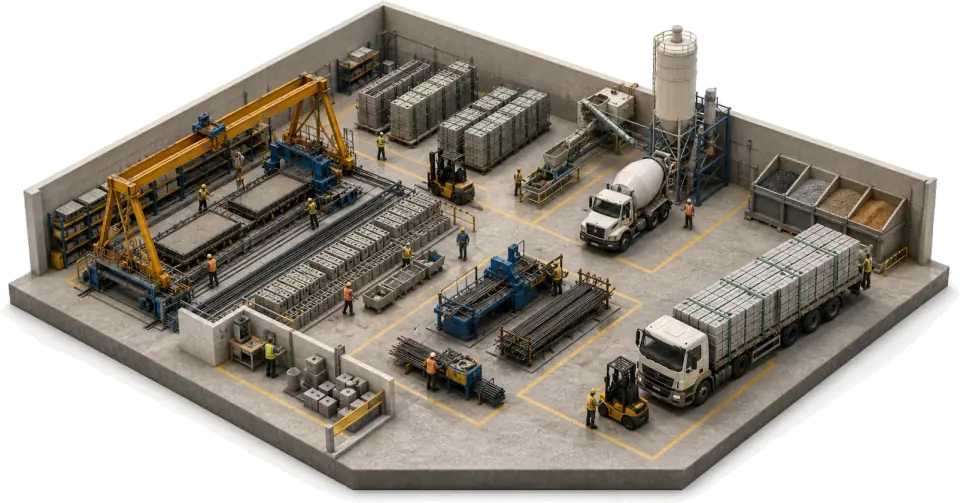
This is your floor. These are the modules on it.
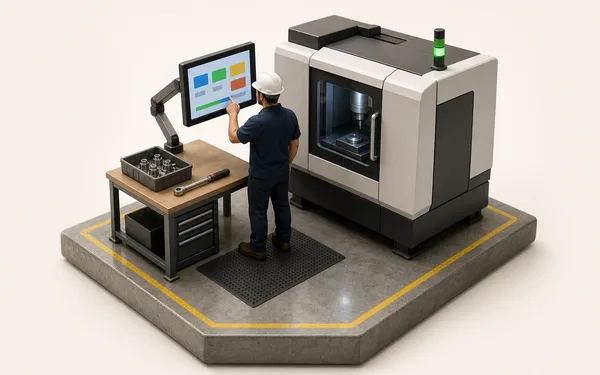
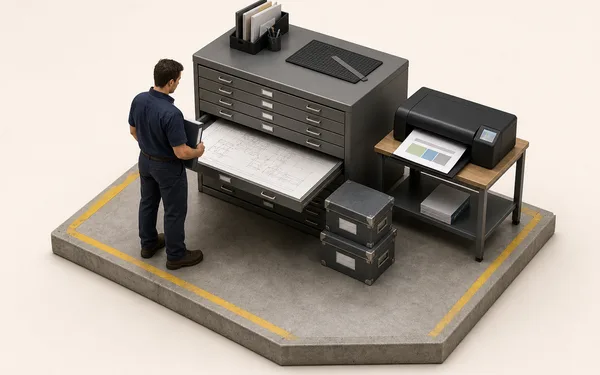
A building products factory, bird view — every pin is a Bulk module doing a real job on that spot of the floor. Click one to see the module.
What holds up on a live floor.
Once every job runs on one live record, these are the outcomes you can point at — not a board-pack story.
Not an ERP. Not an MES. The compliance layer your factory actually needs.
Most software aimed at a building products maker is either an ERP that wants the whole business re-platformed before the first batch is logged, or a generic MES blind to the one thing that makes this industry different — the Construction Products Regulation. Bulk is the layer in between: batch traceability, Factory Production Control and the Declaration of Performance for the factory floor, without the rip-and-replace.
Every batch, raw-material lot, test result, FPC check and certificate lives on one record. The evidence a notified body asks for at surveillance — routine tests done, tolerances held, non-conformities closed — assembles itself as work happens, instead of being reconstructed the week before the audit.
Configured around your harmonised standard and AVCP system, it declares the performance you actually measured — so the CE or UKCA mark on the pallet is backed by the run that made it.
From batch to Declaration of Performance, one thread.
Follow one production run — a batch of precast units — through the factory. Every check lands on the same live record, so the DoP and the FPC evidence are side effects of doing the work.
Log the batch
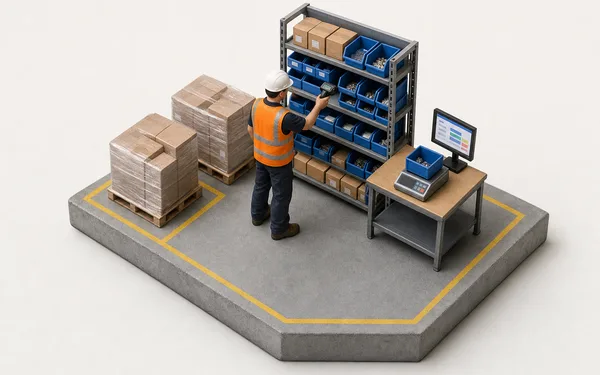
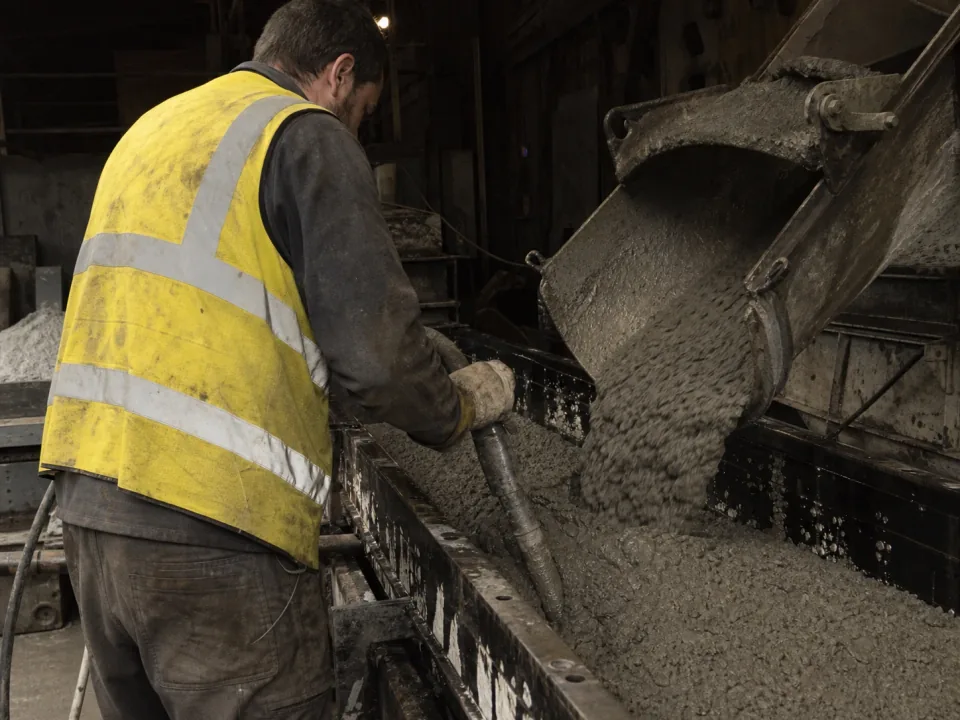
Goods-in registers the run against its raw-material lots — cement, aggregate, admixture — so constancy of performance is traceable from the mixer, not reconstructed later.
Data thread →Control the process
The FPC plan drives the run: routine checks, initial type-test references and process controls sequenced and enforced. A missed check or out-of-tolerance reading blocks sign-off.
Production →Test and inspect
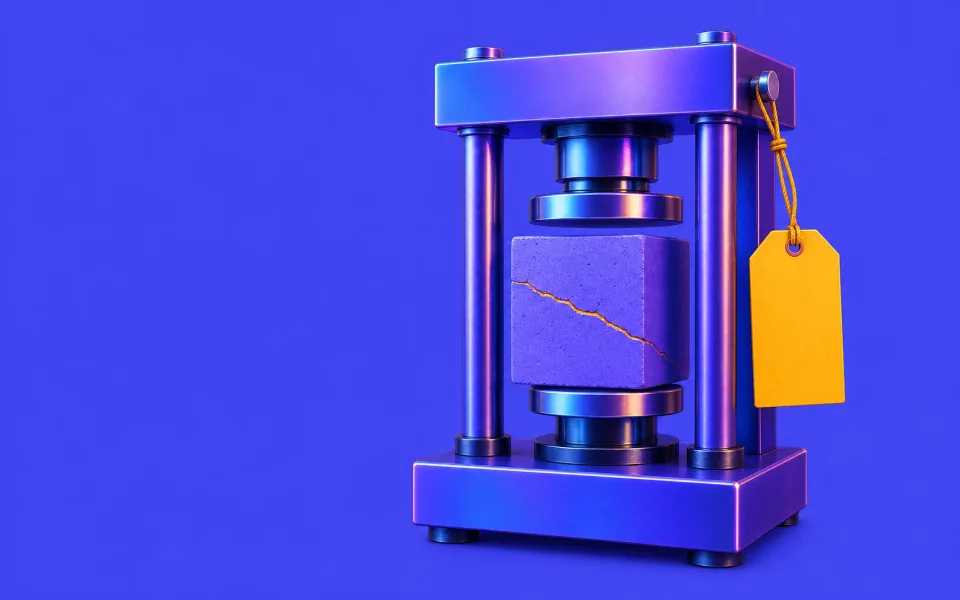
Compressive strength, dimensional and density results land once — typed at the bench or fed from the rig — and flow unchanged to every downstream document.
Quality →Issue the DoP
The Declaration of Performance and CE/UKCA certificate build themselves from the batch, its test results and the FPC record — referenced to the harmonised standard, out with the delivery.
Documents →The product's certified. Proving it isn't.
It's everything around the pour — transcribing strength results, rebuilding DoPs, proving the FPC held — that eats the technical team's week and puts the CE/UKCA mark at risk.
DoPs, rebuilt by hand
A strength result read off the rig, written on a sheet, typed into a DoP template, copied onto the CE label. Every hop is a chance to mis-declare a performance a specifier relies on.
FPC audit scramble
The notified body wants evidence the Factory Production Control held all year — routine tests done, tolerances met, non-conformities closed. Proving it means a week lost in binders and spreadsheets.
Batch traceability gaps
When a batch is queried, linking it back to its cement and aggregate lots — and forward to every site it shipped to — is a manual trawl, exactly when speed matters most.
The blocks that hold a CE mark.
Configured around your EN standard, AVCP system and product range — the parts a building products maker leans on, wired to one auditable record.
Every production run tied to its raw-material lots and shipped destinations — full genealogy from mixer to site, ready for a recall or a query.
Data thread →The FPC plan runs the line: routine checks, tolerances and process controls sequenced, enforced and logged as work happens.
Production →Compressive strength, dimensional and density results captured once, checked against declared values, with out-of-tolerance readings raised on the spot.
Quality →The Declaration of Performance and certificate build themselves from batch, test and FPC records — referenced to the harmonised standard, out in minutes.
Documents →Routine tests, calibrations, non-conformities and sign-offs on one queryable thread — the evidence a notified body's surveillance visit needs, already assembled.
Audits →Plan runs against moulds, mixers and people, see the backlog live, and give a contractor a real delivery date — not a guess.
Scheduling →The DoP ships with the load.
When the strength result lands once and the FPC evidence is already attached, the Declaration of Performance stops being a Friday-afternoon job — and leaves with the delivery.
Questions, answered.
Is Bulk a building products ERP?
No — and that's deliberate. An ERP wants your whole business re-platformed; Bulk runs the factory floor and its records: batch traceability, Factory Production Control, test results, the Declaration of Performance and the CE/UKCA certificate. Keep your ERP or accounts system — most makers our size are replacing spreadsheets and binders, not their finance stack.
How does Bulk handle CE/UKCA marking and Declarations of Performance?
The DoP and certificate assemble themselves from the production record — batch, declared performances, test results and the harmonised-standard reference. Because every value is captured at source under the Construction Products Regulation, the declaration matches what actually happened on the line, and re-issuing after a change is a click, not a rebuild.
Does it cover Factory Production Control under our EN standard?
Yes. Bulk holds the FPC plan for your product and standard — EN 13369, EN 771, EN 14351-1 or whichever applies — and drives it on the line: routine tests, tolerances, calibrations and non-conformities logged as work happens. It's configured to your AVCP system, whether that's a self-declared 4 or a notified-body 2+.
Can it trace a batch back to raw-material lots for a recall?
Every run is tied to its incoming lots — cement, aggregate, admixture, components — and forward to the destinations it shipped to. A suspect batch traces both ways in a couple of clicks, so a containment or a customer query takes minutes, not a day in the archive.
Does Bulk replace our accounts or ERP system?
No. Bulk is the layer between the floor and the back office — production, quality and compliance records. Invoicing can draw from the same batch and delivery data, but your accounts platform stays. This is the traceability and compliance layer without the rip-and-replace.
How long does rollout take, and what does it cost?
One product line end to end first — batch to DoP — proven on real runs in weeks, then the rest of the range follows the same pattern; never a big-bang cutover. Pricing is one per-site figure with every module included — no per-module upsell, hosting and rollout in the number. Early-access makers work directly with the build team.
Let's run one line through.
Pick a product you make every week. We'll configure it end to end — batch to Declaration of Performance — and show you the FPC evidence assembling itself.