
Bulk
Metal fabrication & welding

Metal fabrication & welding software — production, traceability and quality from mill cert to CE mark

Your shop, on one record

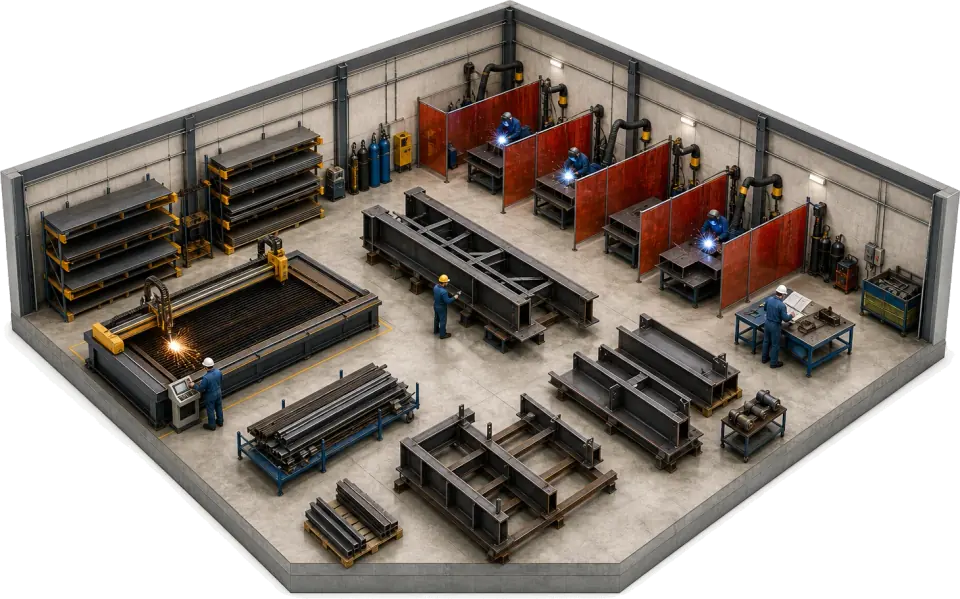
This is your shop. These are the modules on it.

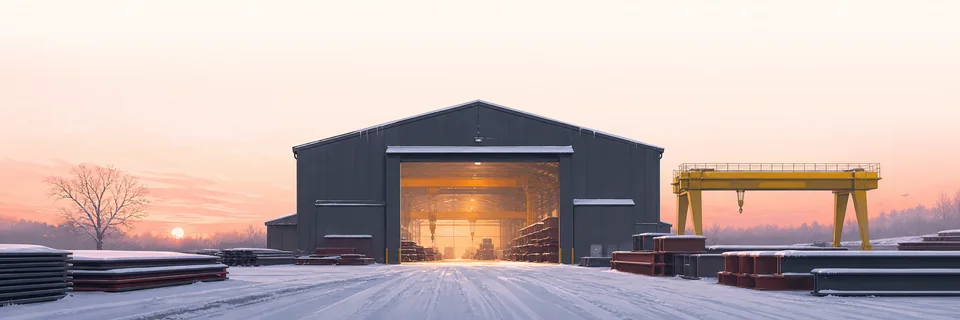
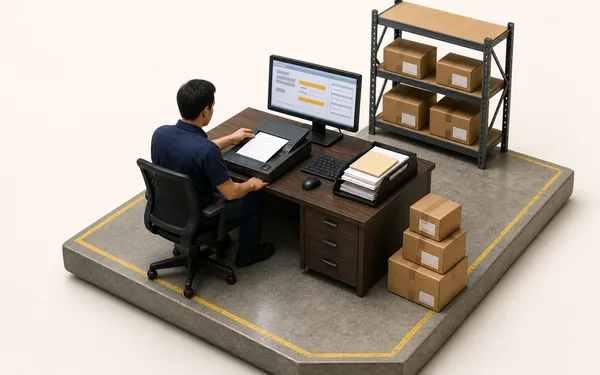
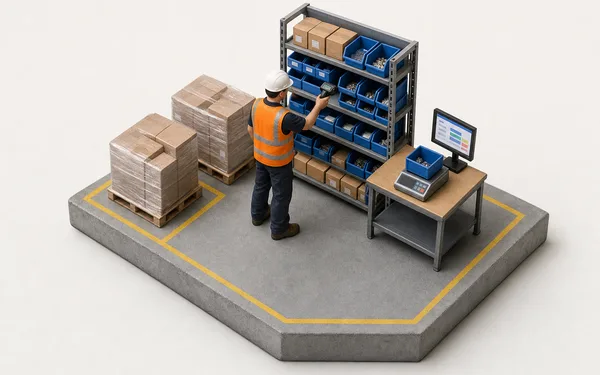
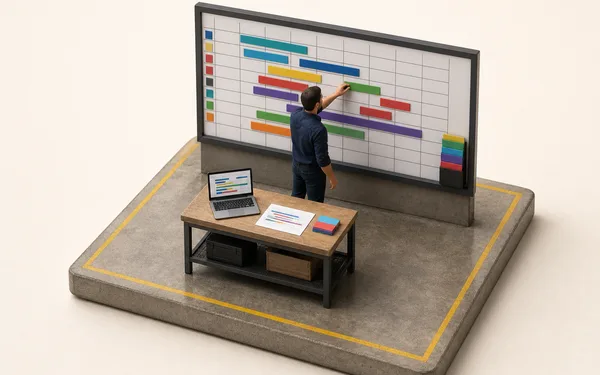
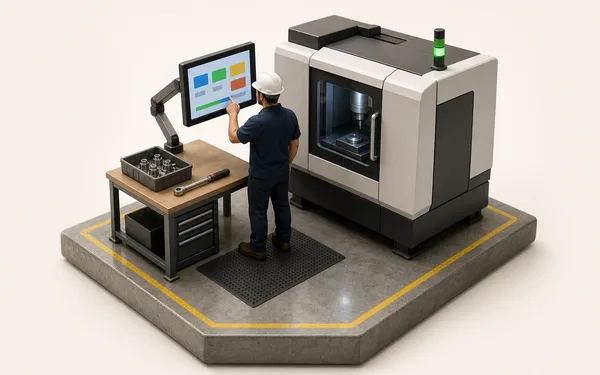
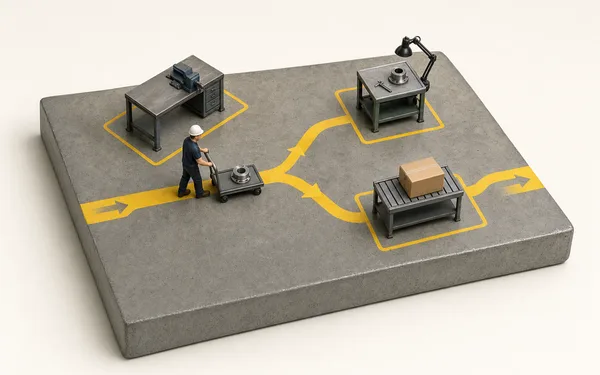
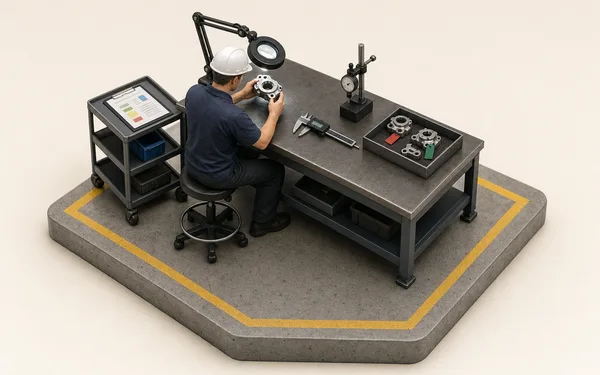
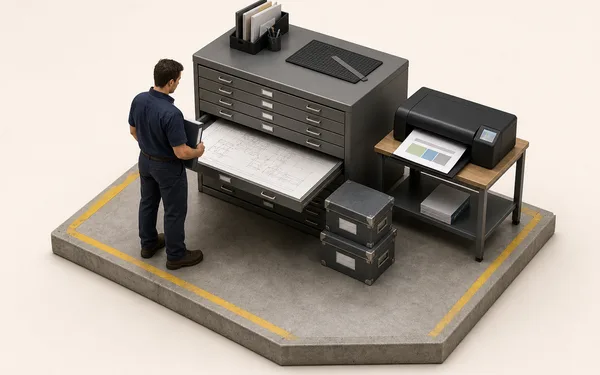
A steel fabrication shop, bird view — every pin is a Bulk module doing a real job on that spot of the floor, from the mill-cert desk to the weld bays. Click one to see the module.

Module AI agent Reporting Automation
On the floor

What holds up on a live floor.

Once every job runs on one live record, these are the outcomes you can point at — not a board-pack story.

85% EN 1090 audit-pack assembly time
100% Heat numbers traced, plate to weld
0 Re-keys, mill cert to certificate
98.6% First-time-right on welds

Not a fabrication ERP. Not an MES. The layer your fab shop actually needs.

Most software sold to a fabricator is either a quoting-and-accounts ERP that wants your whole business re-platformed before the first plate is cut, or an MES built for a machine cell that never speaks EN 1090. Bulk is the layer in between: the traceability, scheduling and weld-quality system for the fab floor — heat numbers, WPS, welder tickets and inspection on one record, without the rip-and-replace.

Every plate, section, heat number, weld, welder and NDT report lives on one thread. The evidence a CE mark rests on — EN 10204 3.1 certs, the right WPS, a welder in ticket, the NDT result — assembles itself as the work happens, instead of being reconstructed the afternoon before a shipment goes out.

Run machining alongside your fabrication? The heat-lot and multi-op routing story lives on our sibling page, CNC machine shop software — same thread, different bench.

How Bulk works in a fab shop

From plate to EN 1090 pack, one thread.

Follow one welded assembly through the shop — every step lands on the same live record, so the audit pack and the CE mark are side effects of doing the work, not a day's hunt at the end.

01

Book the steel in

Goods-in reads the EN 10204 3.1 mill cert, logs the heat number against the plate or section, and ties it to the job. Chain of custody starts at the gate, not on a biro'd offcut.

Inbound OCR →
02

Weld to the WPS

The traveller carries the right WPS and PQR to each joint, and the welder stamps the joint with their ID. An out-of-ticket welder or the wrong procedure blocks the sign-off before the arc strikes.

Routing →
03

Inspect and NDT

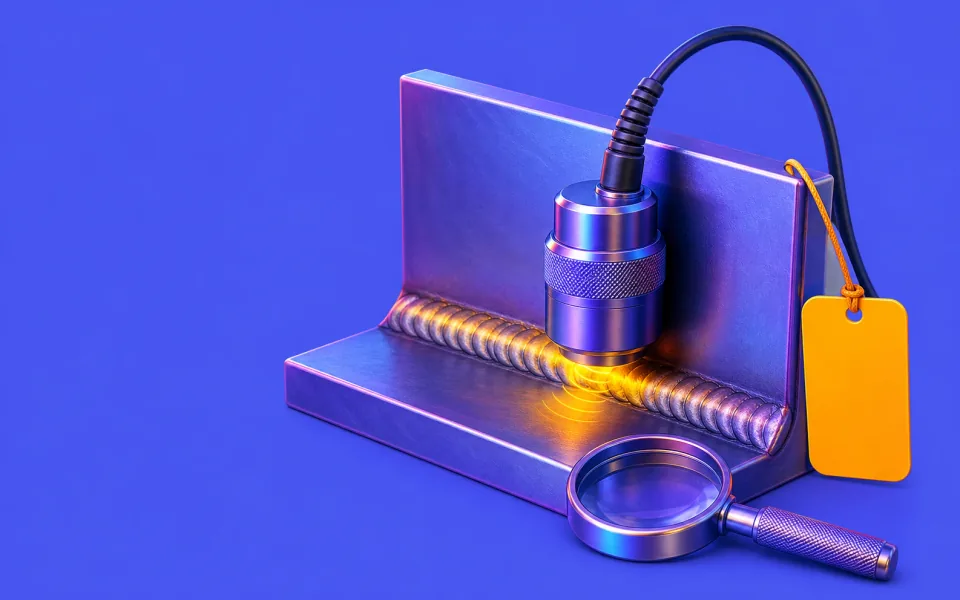
Visual, dimensional and NDT results land on the joint itself. A fail raises an NCR and 8D on the spot — traced to the heat, the welder and the procedure, not found three assemblies later.

Quality →
04

Pull the audit pack

One click from the finished assembly assembles the full EN 1090 / ISO 3834 evidence chain — 3.1 certs and heat numbers, WPS/PQR, welder qualifications and NDT reports — the pack that used to take a QA person a day.

Documents →
The reality on your floor

The welds are sound. The paperwork isn't.

It's everything around the arc — matching heat numbers to welds, proving the welder was in ticket, building the EN 1090 pack — that eats the day and puts the CE mark at risk.

01

Heat numbers on a clipboard

The mill cert goes in a lever-arch, the heat number gets biro'd onto the plate, and when a customer asks which heat went into which weld, it's an afternoon lost in the archive — if the offcut is still legible.

02

The audit pack is a day's work

An EN 1090 pack means hunting 3.1 certs, WPS, welder tickets and NDT reports across four drives and a filing cabinet. The dispatch waits on a QA person's afternoon, every single time.

03

Rework found too late

A wrong WPS or an out-of-cert welder surfaces at final inspection, not at the joint. By then the weld is in, and the fix means grinding it out and running it again — scrap, hours and a slipped date.

Where Bulk earns its keep

The blocks that hold your CE mark.

Configured around your WPS library, weld travellers and report formats — the parts a fabricator leans on, wired to one auditable record.

Heat-number traceability

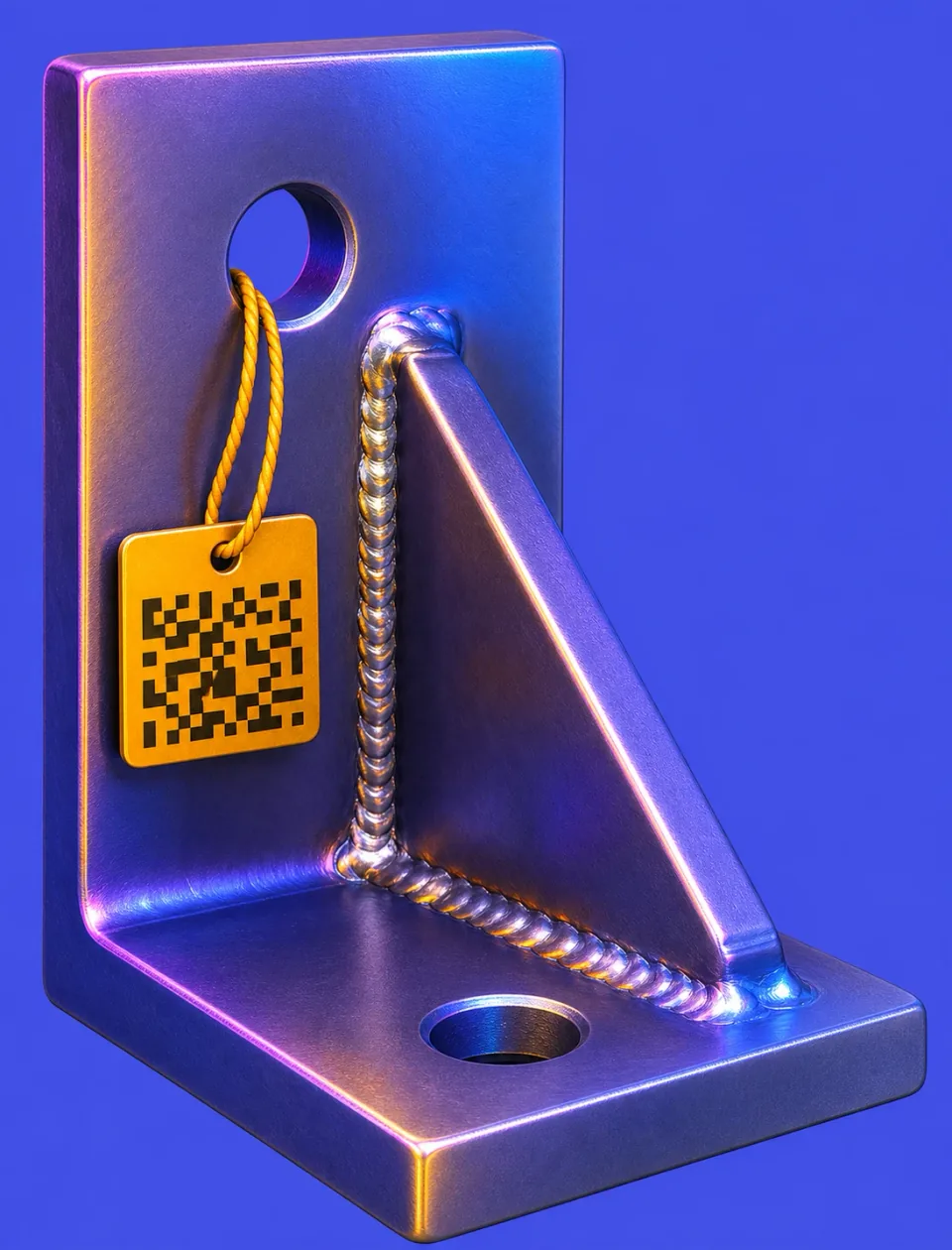
EN 10204 3.1 certs captured at goods-in, every plate and section tied to its heat, and the heat carried all the way to the finished weld — recall or a customer query answered in a click, not a day.

Data thread →
Weld traveller & WPS control

Each joint carries its own WPS and PQR down the traveller, with the welder who ran it stamped against it. The wrong procedure or an unqualified welder blocks the sign-off.

Routing →
Welder qualification register

Welder tickets and continuity tracked with expiries and process ranges. An out-of-cert welder can't sign a joint — the gate is enforced, not remembered.

Training →
Weld inspection, NDT & NCR

Visual, dimensional and NDT results on the joint. A fail raises an NCR and 8D on the spot, traced to heat, welder and procedure — so the root cause is obvious.

Quality →
EN 1090 / ISO 3834 audit pack

One click assembles the evidence chain — 3.1 certs, heat numbers, WPS/PQR, welder IDs and NDT reports — into a CE-ready pack straight from production records.

Documents →
Fab bay scheduling

Plan cut, fit and weld across bays and welders, see the backlog live, and give a customer a real ship date instead of a hopeful one.

Scheduling →
Proof on the shop floor

The audit pack is a click, not a day.

When the heat number is tied to the weld and the welder's ticket is already attached, the EN 1090 pack stops being a bottleneck — and the CE mark stops waiting on a filing cabinet.

85% Time to assemble an EN 1090 audit pack at Pennine Fabrication
100% Heat-number traceability, plate to finished weld
54% Weld rework raised as NCRs
“Assembling an EN 1090 pack used to be a full day of chasing mill certs and welder tickets across folders. Now it's a click — every heat number, WPS and NDT report already hangs off the assembly, and the CE mark goes out with the steel.”
PF
Gary PembertonResponsible Welding Coordinator — Pennine Fabrication
Straight answers

Questions, answered.

01

Is Bulk a fabrication ERP or an MES?

Neither, and that's deliberate. An ERP wants to own your quoting and accounts and be re-platformed first; an MES is usually built for a machine cell and doesn't speak EN 1090. Bulk runs the fab floor and its evidence — travellers, weld quality, heat numbers, welder tickets and the audit pack — and sits over the systems you keep. Most shops our size replace spreadsheets and lever-arch files, not their whole stack.

02

How does Bulk handle EN 1090 and ISO 3834?

The evidence is captured at source. Every plate carries its EN 10204 3.1 cert and heat number from goods-in; every joint carries its WPS/PQR and the welder who ran it; inspection and NDT results land on the joint. When the constancy-of-performance or a client audit asks for the pack, the trail already exists — nothing is reconstructed, and the factory production control records line up with the weld.

03

Can it trace a material heat number through to the finished weld?

Yes — that's the spine. The 3.1 cert is read at goods-in and the heat number stays tied to the plate or section through cutting, fitting and welding, so from any finished assembly you can pull back to the exact heat, and from any suspect heat you can list every weld it went into. Both directions, in a couple of clicks.

04

How do you handle welder qualifications and WPS/PQR?

Welder tickets are held with their process ranges, continuity and expiries, and enforced as a gate: an out-of-cert welder can't sign a joint. The WPS library is version-controlled and mapped onto travellers, so each joint pulls the approved procedure and its PQR — the wrong or lapsed procedure blocks the sign-off rather than surfacing at final inspection.

05

We run CNC machining alongside fabrication — do you cover that too?

Yes. Machining lives on the same thread — heat-lot genealogy through a multi-op route to a shipped serial, plus AS9102 first-article packs — on our sibling page, CNC machine shop software (/cnc-machine-shop-software). It's the same record, so a part that's cut, machined and welded stays on one trace end to end; you don't run two systems.

06

What does it cost, and how long is rollout?

One per-site price with every module included — no per-module upsell, hosting and rollout in the figure. Rollout is one workflow end to end first: prove a single weld traveller from mill cert to EN 1090 pack on real work in weeks, then the rest of the shop follows the same pattern. Never a big-bang cutover. Early-access fabricators work directly with the build team.

Let's build one weld traveller through.

Pick an assembly you fabricate every week. We'll configure it end to end — mill cert to EN 1090 pack — and show you the evidence chain assembling itself as the work moves.