

Bulk
Composites

Composites manufacturing software for prepreg out-time and quality-first shops

Your shop, on one record

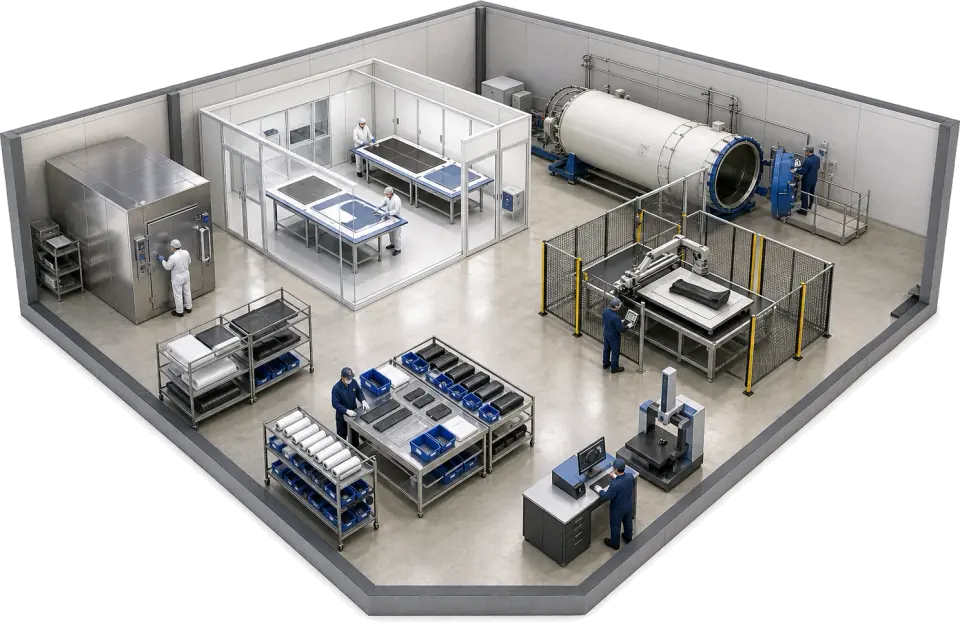
This is your floor. These are the modules on it.

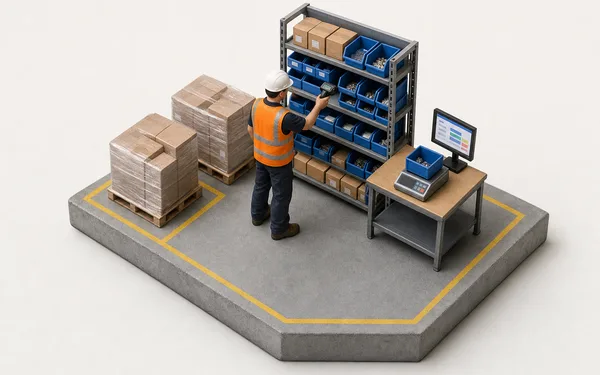
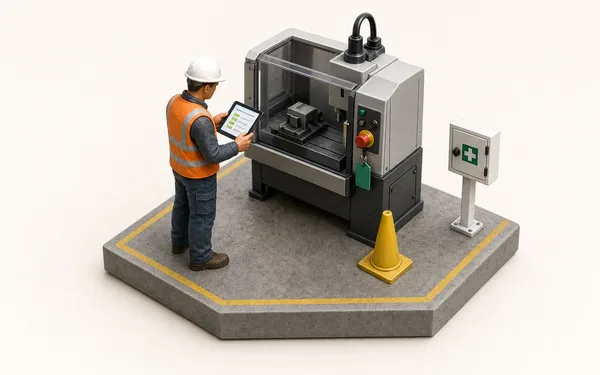
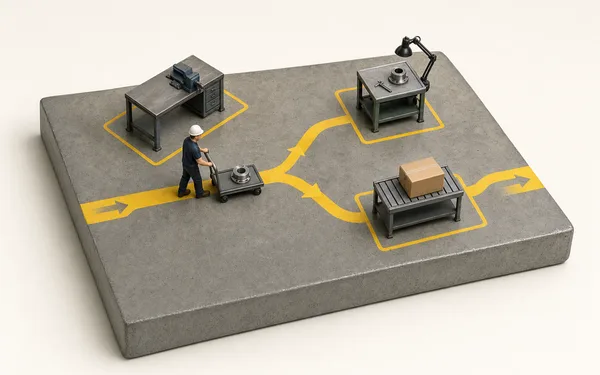
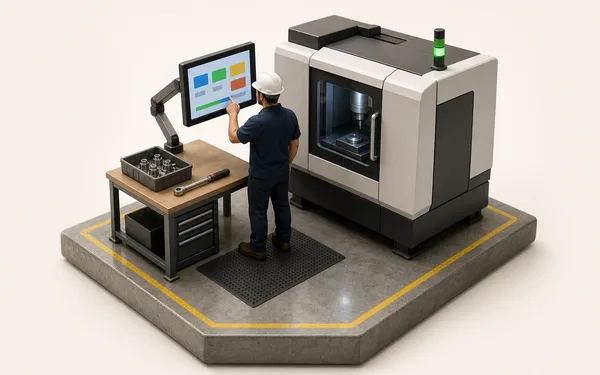
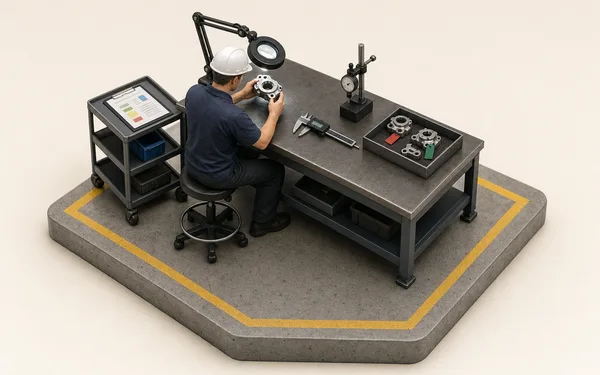
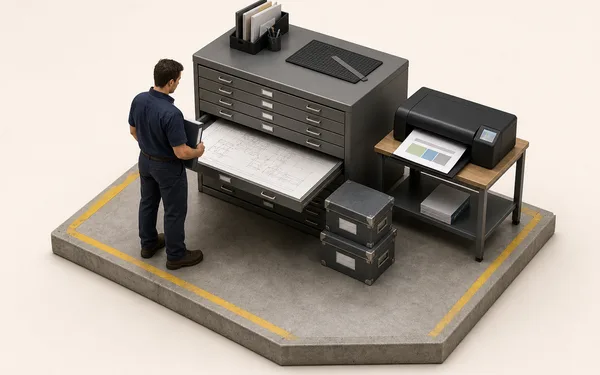
A composites shop, bird view — every pin is a Bulk module doing a real job on that spot of the floor, from the freezer to the autoclave. Click one to see the module.

Module AI agent Reporting Automation
On the floor

What holds up on a live floor.

Once every job runs on one live record, these are the outcomes you can point at — not a board-pack story.

64% Prepreg scrapped on blown out-life
100% Rolls with live out-time remaining
0 Re-keys, freezer log to layup
100% Ply-to-roll genealogy held

Not a composites ERP. Not an MES. The layer your shop actually needs.

Most software aimed at a composites shop is either an ERP that wants the whole business re-platformed before the first ply is cut, or an MES built for high-volume lines that never met a paper out-life logbook. Bulk is the layer in between — the traceability, scheduling and quality system for the layup floor, without the rip-and-replace.

Every roll, kit, ply, cure cycle, operator and certificate lives on one record. The out-life clock runs itself the moment material leaves the freezer, and the genealogy an OEM or an AS9100 auditor asks for assembles as work happens — instead of being reconstructed from a logbook the week the customer calls.

How Bulk works on a composites floor

From freezer to certificate, one thread.

Follow one prepreg roll through the shop — every step lands on the same live record, so the out-life is always current and the part's genealogy is a side effect of doing the work.

01

Book the roll out

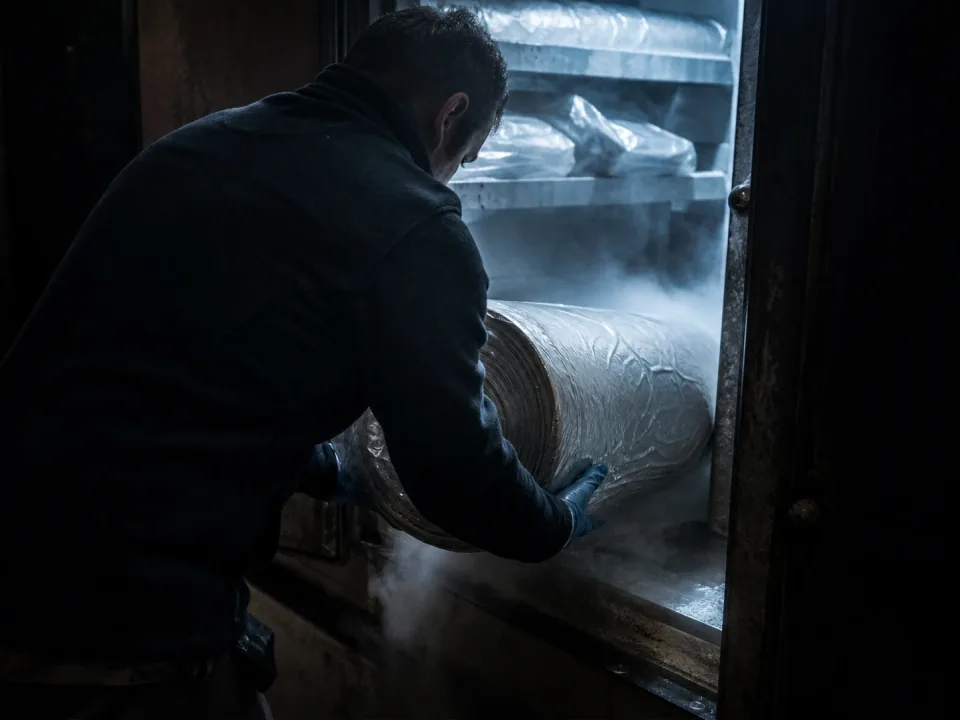
Scan the roll out of the freezer and the out-time clock starts — cumulative room-temperature exposure, remaining shelf-life and an auto-expiry alert, live per roll instead of a line in a logbook.

Data thread →
02

Kit and lay up

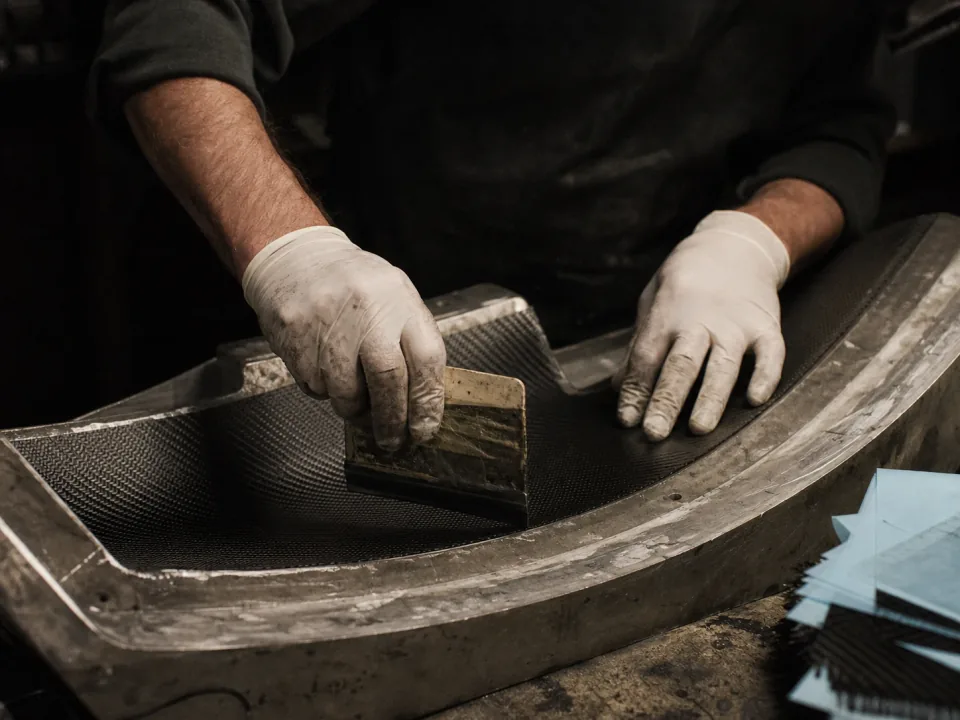
Every ply drawn from the roll is tied to the part and the kit — nesting, ply count and orientation on the traveller — and each draw ticks the same cumulative exposure so nothing is laid up out of life.

Routing →
03

Cure the part

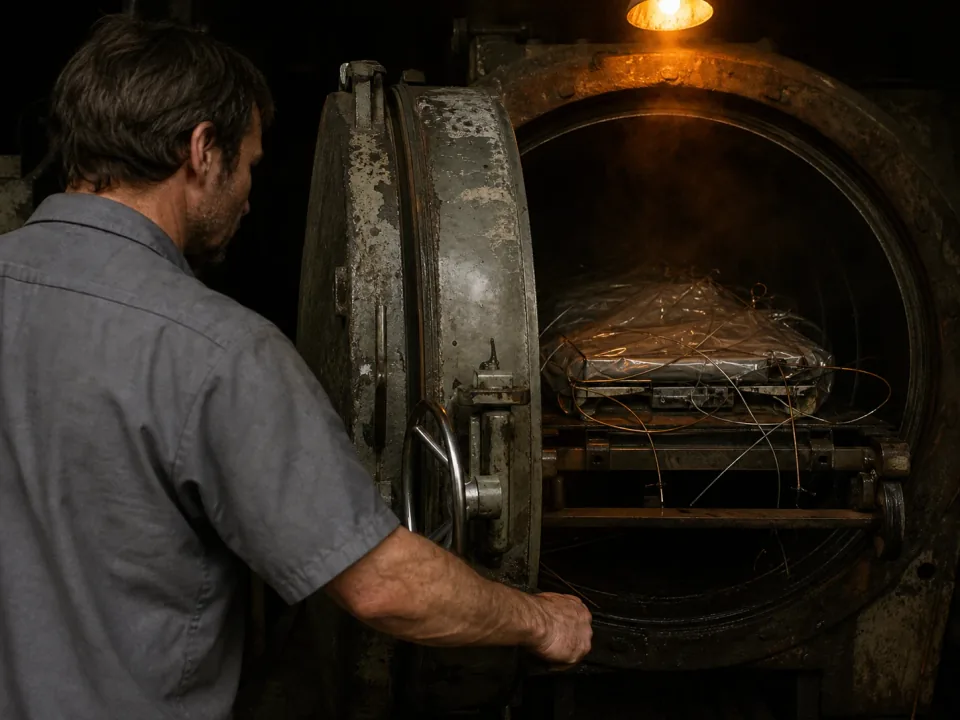
The autoclave or oven cycle is scheduled and logged against the part. A deviation — temperature, ramp or dwell — raises an NCR on the spot, before the part moves on.

Quality →
04

Issue the certificate

The certificate of conformity builds itself from the roll, the ply book and the cure record — out-life within limits, genealogy attached, out the door with the audit trail already there.

Documents →
The reality on your floor

The layup is sound. The logbook isn't.

It's everything around the part — the out-life whiteboard, the ply book rebuilt by hand, the cure charts in a folder — that scraps good material and stalls the certificate.

01

Out-life on a whiteboard

A roll comes out of the freezer, someone writes a time on a board, and the clock lives in a person's head. Miss the maths and you've either scrapped good prepreg early or laid up material that was already dead.

02

Genealogy rebuilt by hand

When an OEM asks which roll went into which part, the answer is a technician cross-referencing kit tags, travellers and freezer logs for a day — hoping every ply was recorded and nothing was swapped mid-shift.

03

Cure records scattered

Autoclave charts, thermocouple traces and deviation notes sit in a folder by the oven. Proving a part cured to spec at audit means a scramble to line the cycle up with the part it belongs to.

Where Bulk earns its keep

The blocks that hold an out-life.

Configured around your materials, layup methods and cure cycles — the parts a composites shop leans on, wired to one auditable record.

Prepreg out-time & freezer logs

Freezer in/out timestamps, live cumulative room-temperature exposure per roll, remaining shelf-life and auto-expiry alerts — the paper out-life logbook made automatic, before material is scrapped or a bad layup happens.

Data thread →
Ply & kit genealogy

Every ply and kit tied to its roll, batch and part — full material genealogy from goods-in through cure to the shipped serial, traceable in seconds rather than reconstructed by hand.

Routing →
Layup travellers

Digital travellers carry ply count, orientation and the controlled method to the bench — the operator lays up against the current revision, and every draw records itself.

Production →
Cure cycle scheduling

Plan the autoclave and oven queue against parts and dwell times, see utilisation live, and give a real cure date — not a guess written on the board.

Scheduling →
Cure-deviation NCR & 8D

A temperature, ramp or dwell excursion raises an NCR against the exact part and cycle, then runs through disposition and 8D — no deviation lost between the oven and the office.

Quality →
Conformity certificates

The certificate of conformity builds itself from the roll, ply book and cure record — branded, reviewed and out with the genealogy and out-life evidence attached.

Documents →
Proof on the floor

The out-life clock runs itself.

When the freezer log, the ply book and the cure record sit on one thread, out-of-life scrap stops being a monthly write-off — and the genealogy an OEM asks for is already there.

64% Prepreg scrapped on blown out-life at Torridge Composites
0 Re-keys between freezer log and layup traveller
100% Ply-to-roll genealogy on shipped parts
“The out-life clock used to live on a whiteboard and in people's heads — we scrapped good prepreg every month to be safe. Now every roll carries its own remaining life from the moment it leaves the freezer, and the ply-to-part trace an OEM asks for is already built.”
TC
Ceri Hughes, Operations ManagerTorridge Composites — AS9100
Straight answers

Questions, answered.

01

Is Bulk a composites ERP or MES?

Neither, and that's deliberate. An ERP wants your whole business re-platformed; a high-volume MES was never built for a paper out-life logbook. Bulk is the operations layer on top of the floor: out-time tracking, ply and kit genealogy, cure records, NCRs, documents and the certificate. Shops that already run an ERP keep it — most shops our size are replacing whiteboards and spreadsheets, not systems.

02

How does prepreg out-time and out-life tracking work?

Scan a roll out of the freezer and Bulk starts the clock: cumulative room-temperature exposure accrues live, remaining shelf-life counts down, and an alert fires before the roll expires. Book it back in and the clock pauses. The whiteboard and the mental maths go away — every roll carries its own out-life, per roll, in real time.

03

Can it handle freezer in/out and shelf-life alerts?

Yes. Freezer in/out is timestamped against the roll, so both frozen shelf-life and accumulated out-time are tracked. Pre-use freezer temperature checks live on the same record, and expiry alerts surface before material reaches the bench — so nothing dead gets laid up and nothing good gets scrapped early to be safe.

04

Does it trace ply and kit genealogy back to the roll?

Every kit and every ply is tied to its roll, material batch and the part it goes into — through cutting, layup, cure and inspection to the shipped serial. When an OEM or an AS9100 auditor asks which roll built which part, the answer is a query, not a day of cross-referencing tags and travellers.

05

How long does rollout take for a single-site shop?

One flow end to end first — usually the freezer-to-certificate out-life thread — proven on real rolls in weeks, then the rest of the methods and part families follow on the same pattern. Never a big-bang cutover, and never a stalled floor while it goes in.

06

What does it cost for a shop like ours?

One per-site price with every module included — out-time tracking, genealogy, scheduling, quality, documents — no per-module upsell, with hosting and rollout in the figure. Early-access shops work directly with the build team while we configure it around your materials and cure cycles.

Let's run one roll through.

Pick a prepreg you use every day. We'll configure it end to end — freezer to certificate — and show you the out-life clock and the ply genealogy assembling themselves.