Medical device manufacturing software — production tracking, traceability and audit-ready quality
This is your floor. These are the modules on it.
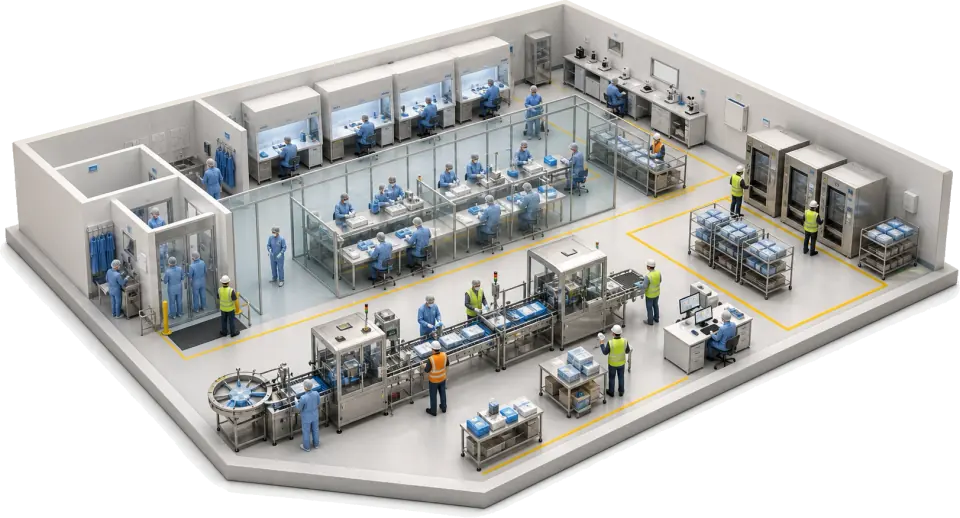
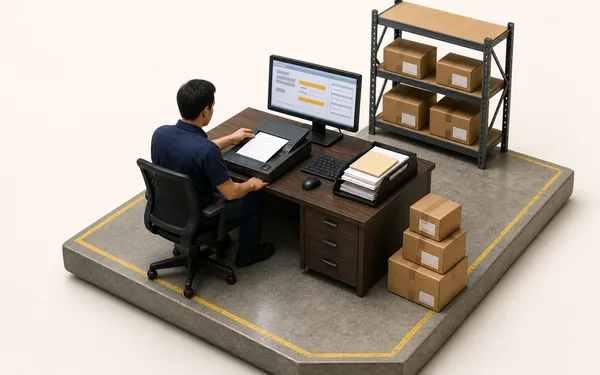
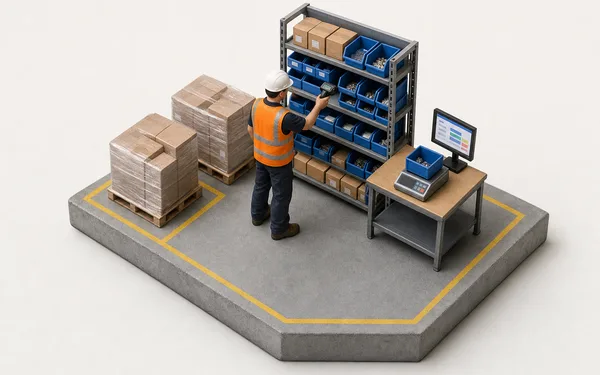
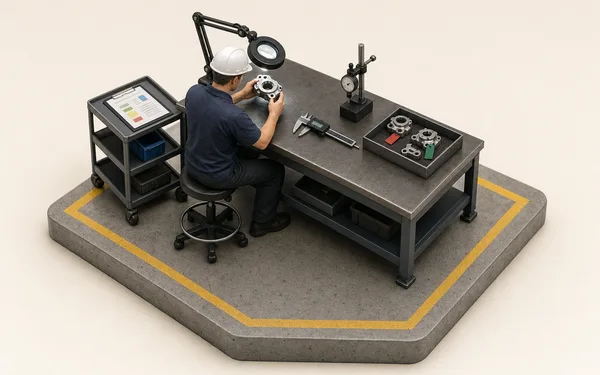
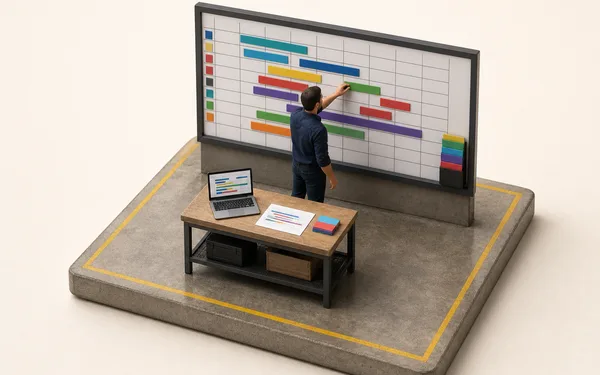
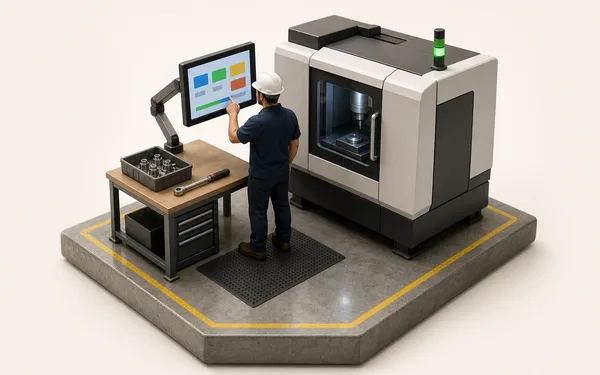
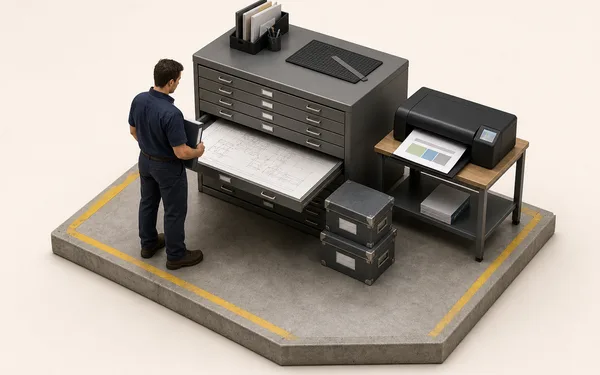
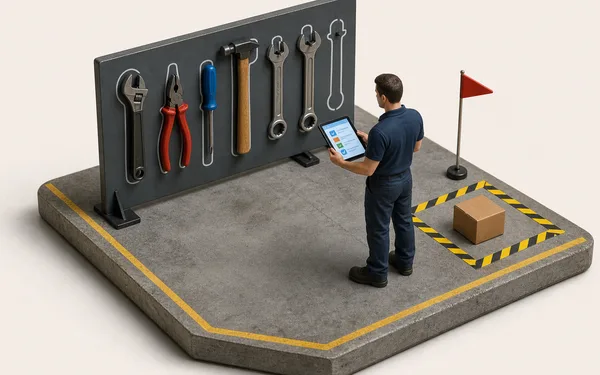
A medical device contract manufacturer, bird view — every pin is a Bulk module doing a real job on that spot of the floor, from goods-in to the released device history record. Click one to see the module.
What holds up on a live floor.
Once every job runs on one live record, these are the outcomes you can point at — not a board-pack story.
Not an eQMS. Not an ERP. The traceability layer your build floor is missing.
Most software sold to a medical device maker is either a validated eQMS built for the document side — CAPAs, design history, complaint handling — or an ERP that wants your whole business re-platformed before the first device is built. Bulk is the layer in between: the production, traceability and shop-floor quality system for the build itself, without the rip-and-replace.
Be clear on what Bulk is: it is early access, and it is not a validated eQMS — it will not stamp your ISO 13485 certification for you. What it does is run the floor so the evidence is real. Every component lot, operator, in-process check and e-signature lands on one record as the work happens, so the device history record is a by-product of building the device — not a folder someone rebuilds the week before a notified-body visit.
Keep your eQMS, your accounts platform and your PLM. Bulk wires the bit in between — goods-in to finished device — into a single auditable thread.
From component receipt to released eDHR, one thread.
Follow one batch of a single-use surgical device through the floor — every step lands on the same live record, so the device history record and its audit trail are side effects of doing the work, not a second job afterwards.
Receive & verify the lot
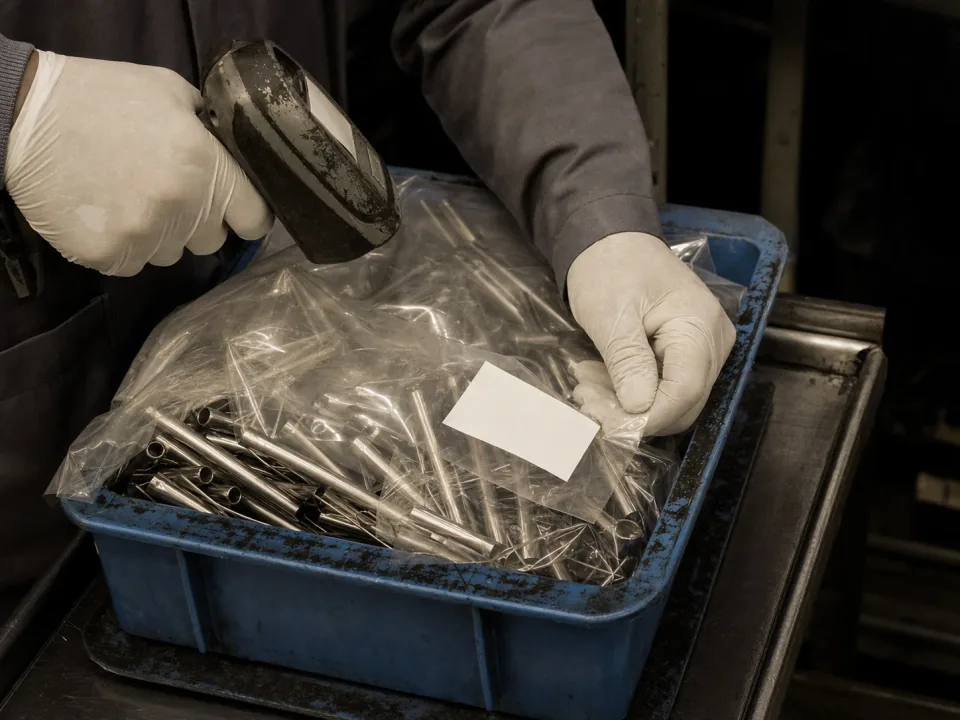
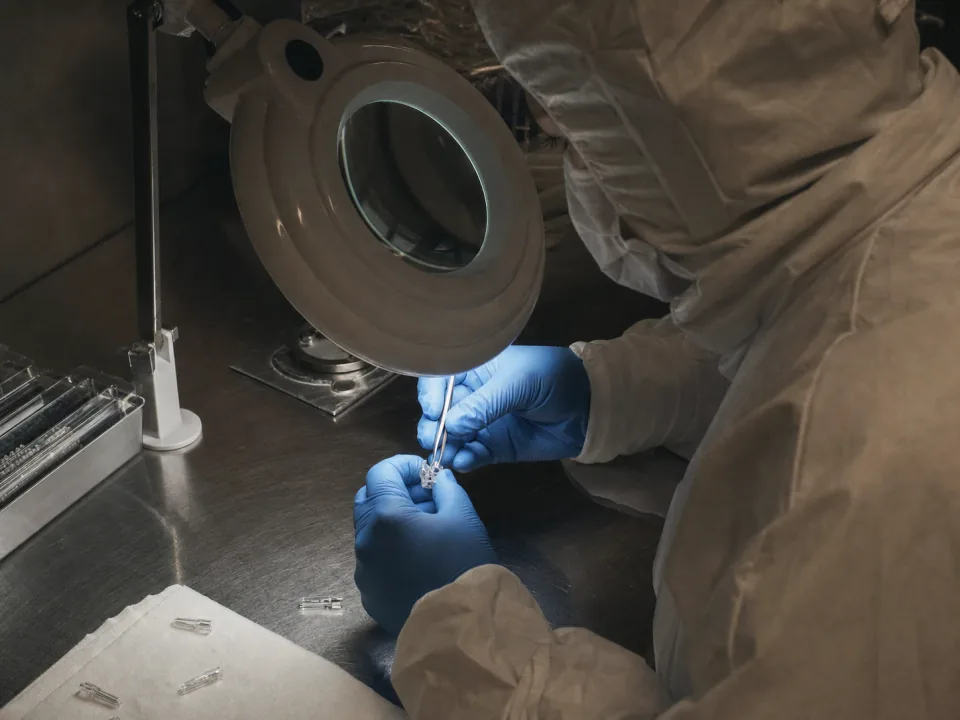
Goods-in captures each component against its lot number, supplier certificate of conformance and incoming-inspection result. Chain of custody starts at the loading bay, and anything unverified is held before it can reach the bench.
Data thread →Build it in the cleanroom
The operator works the controlled build steps on-screen. Each step is e-signed, each component lot scanned in, each in-process check recorded against the unit — the build record writes itself as the device is assembled.
Production →Catch and hold the nonconformance
An out-of-spec reading raises an NCR on the spot, quarantines the affected units and starts the disposition trail — routed to CAPA where it needs one, all linked back to the exact lot and build step.
Quality →Release the device history record
The eDHR assembles itself from the lots, operators, checks and e-signatures already captured — component genealogy, UDI, in-process results and sign-offs in one reviewable record, ready for batch release instead of a week of collation.
Documents →The build is controlled. The paper trail isn't.
It's the record around the device — travellers, lot logs, e-signatures, reconstructing the DHR for release — that eats the quality team's week and holds up every batch.
The DHR is a stack of paper
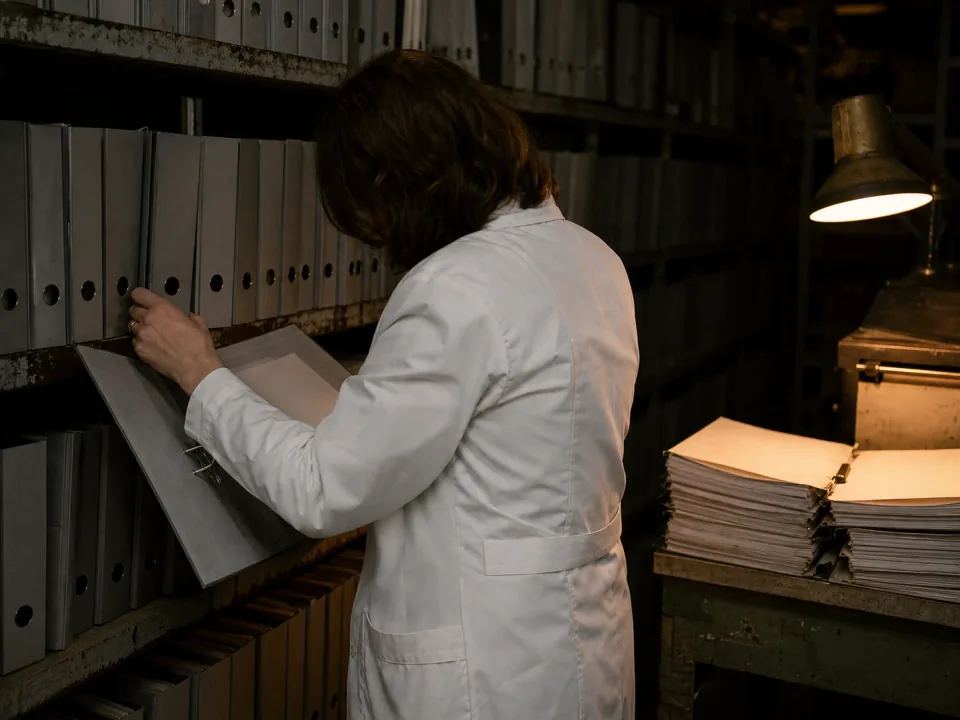
Travellers, lot labels, inspection sheets and sign-offs live in a batch folder. Assembling and reviewing a complete device history record for release is a manual collation job — and a missing signature sends the whole batch back.
Genealogy lives in three places
Which component lot went into which device, on which build, by which operator — spread across a spreadsheet, a label book and someone's memory. A field complaint or recall trace becomes an afternoon of cross-referencing, not a query.
Audits mean a scramble
A notified body or a customer wants lot traceability, competency records and in-process evidence for a specific batch. Proving it means pulling folders and hoping the trail is complete — the week before the visit, not on demand.
The blocks that make the record real.
Configured around your device families, build routes and DHR format — the parts a device maker leans on, wired to one auditable thread.
The eDHR builds itself from the lots, checks, operators and e-signatures captured during the build — one reviewable record per batch, ready for release instead of hand-collated from a folder.
Documents →Every component lot tied to the device it went into, forward and back — the recall or complaint trace an auditor demands, answered as a query in seconds rather than an afternoon.
Data thread →Operators work controlled steps on-screen, scanning lots and e-signing as they go. The build record is written as the device is assembled, not transcribed from a traveller afterwards.
Production →An out-of-spec check raises the nonconformance where it happens, quarantines the units and starts the disposition and CAPA trail — linked to the exact lot, step and operator.
Quality →Incoming lots verified against their certificate of conformance, held until released, and issued FEFO — expired or unverified material can't reach a build.
Inventory →Lot genealogy, competency, in-process results and sign-offs on one queryable thread — the ISO 13485 evidence for a batch pulls itself together on demand.
Audits →The eDHR is ready at release.
When every lot, check and signature is captured as the device is built, the device history record stops being a collation job — and batch release stops waiting on paperwork.
Questions, answered.
Is Bulk an eQMS, an MES or an ERP?
None of the three, deliberately. A validated eQMS owns the document side — CAPA, design history, complaint handling; an ERP owns the back office. Bulk runs the build floor between them: lot traceability, e-signed build records, in-process quality and the device history record. Most device makers our size keep their eQMS and accounts platform and use Bulk to replace the paper travellers and spreadsheets in the middle.
Can Bulk be my validated quality system for ISO 13485?
No — and we won't pretend otherwise. Bulk is early access and is not a validated eQMS; it will not certify your ISO 13485 QMS. What it does is run the floor so the traceability and in-process evidence behind your certification is captured at source and stays complete. Treat it as the production and traceability layer under your quality system, not a replacement for it.
How does the electronic device history record actually get built?
It assembles itself from work already done. As operators build a batch, each e-signed step, scanned component lot and in-process check lands against the unit on one record. At release, the eDHR is that record — component genealogy, UDI, results and sign-offs — reviewed rather than collated from a folder.
Does Bulk handle UDI, lot and serial traceability?
Yes — that's the spine. Every component lot is tied to the device and build it went into, forward and back, with UDI and serial captured on the record. A recall or complaint trace becomes a query in seconds instead of cross-referencing a spreadsheet, a label book and memory.
Do you support electronic signatures on build steps?
Yes — build steps are e-signed by the operator as they're completed, with the person, time and step recorded on the device record. We're honest that formal 21 CFR Part 11 / Annex 11 validation is your responsibility as part of your QMS; Bulk gives you the audit trail and signature capture, not a pre-stamped compliance claim.
What does it cost, and how long does rollout take?
One per-site price with every module included — traceability, production, quality and documents in the figure, no per-module upsell, hosting and rollout included. Rollout starts with one device family end to end — goods-in to released eDHR, proven on real batches in weeks — then the rest follow on the same pattern. Never a big-bang cutover, and early-access makers work directly with the build team.
Let's build one device history record.
Pick a device family you ship every week. We'll configure the build route end to end — component receipt to released eDHR — and show you the record assembling itself as the work happens.