
Bulk
CNC machining

CNC machine shop software for multi-op traceability, production tracking and FAIR packs

Your shop, on one record

This is your floor. These are the modules on it.

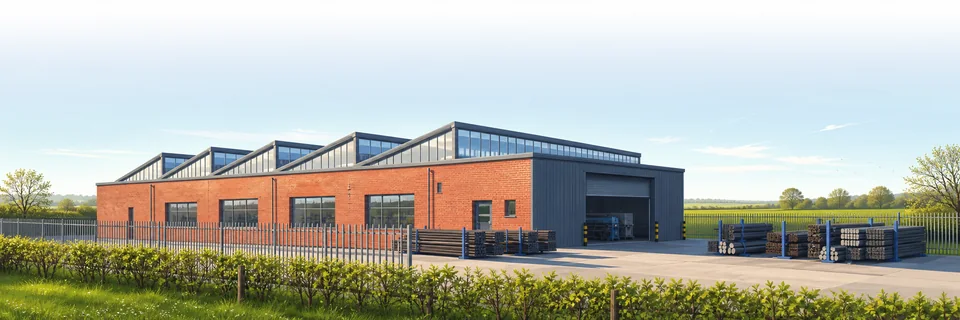
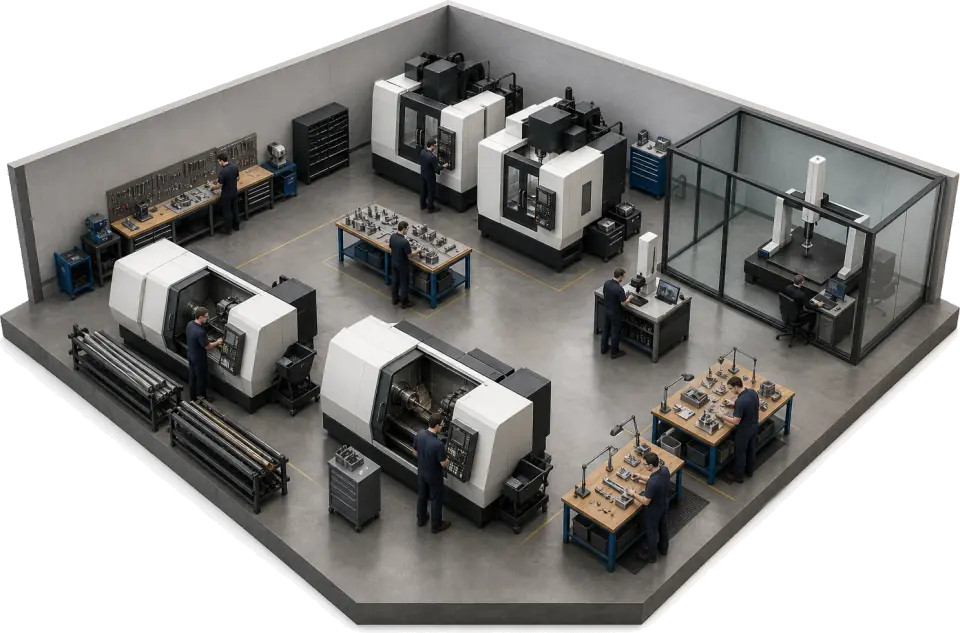
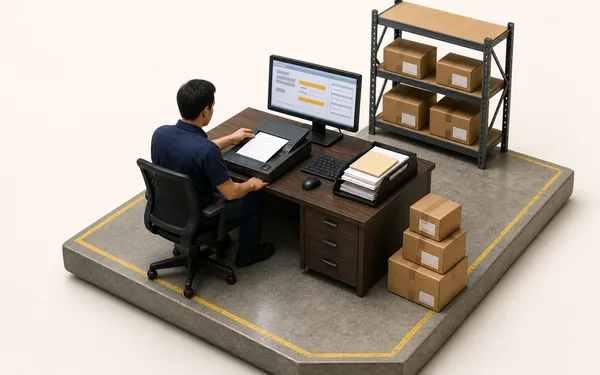
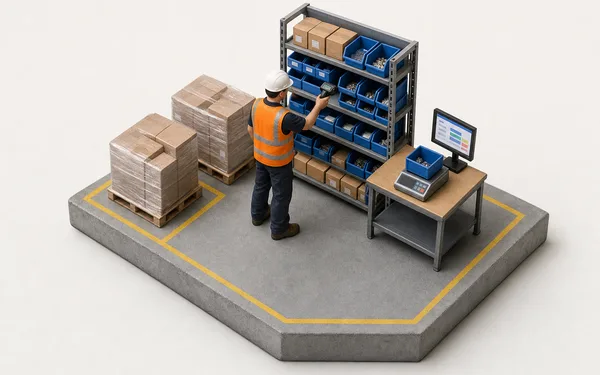
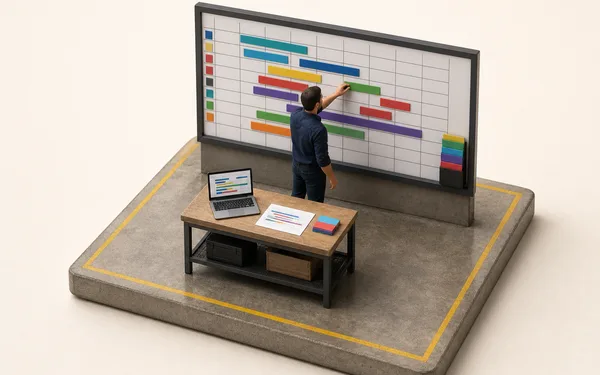
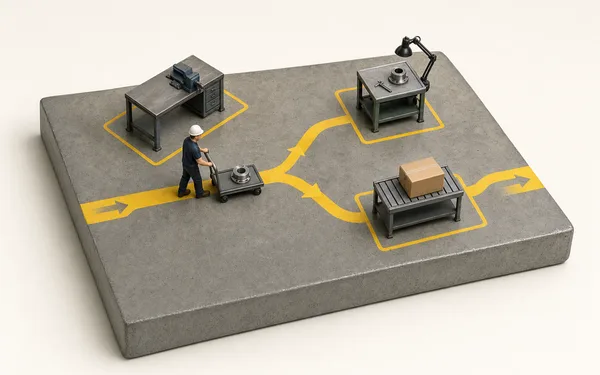
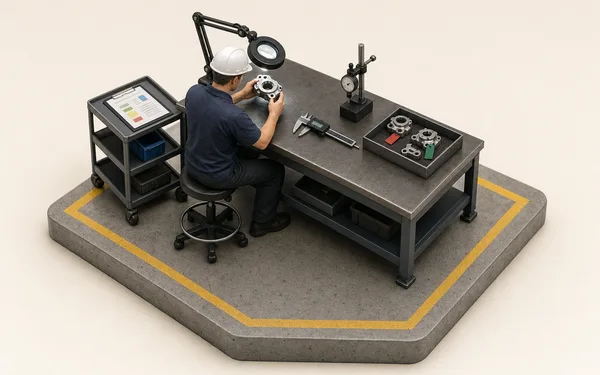
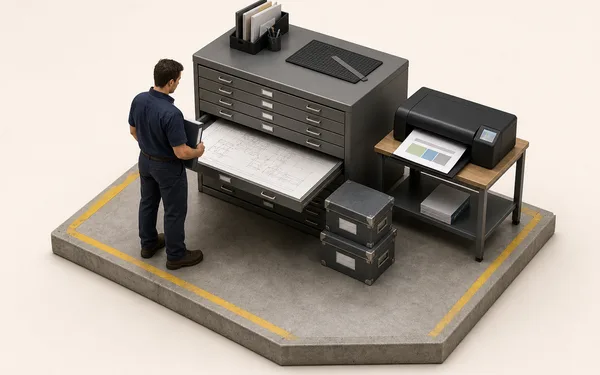
A subcontract CNC shop, bird view — every pin is a Bulk module doing a real job on that spot of the floor, from goods-in to the despatch bench. Click one to see the module.

Module AI agent Reporting Automation
On the floor

What holds up on a live floor.

Once every job runs on one live record, these are the outcomes you can point at — not a board-pack story.

84% FAIR pack turnaround
99.1% First-article right first time
0 Re-keys, setup sheet to cert
100% Heat-lot genealogy held

Not an ERP. Not an MES. The layer your shop floor actually needs.

Most software aimed at a CNC machine shop is either an ERP that wants quoting, purchasing and accounts re-platformed before the first op is booked, or a machine-monitoring MES that watches spindles but never touches the traveller, the cert or the heat number. Bulk is the layer in between — production tracking, multi-op routing and material traceability for the job floor, without the rip-and-replace.

Every bar, billet, op, operator, inspection and serial lives on one record. The heat number booked at goods-in follows the job through op 10, op 20 and final CMM to the shipped serial — so a customer NCR or an AS9100 recall trace is a query, not a day in the job-bag archive.

We split the job-shop long-tail with our sibling metal fabrication & welding page: fabricators live on weld maps and EN 1090; machinists live here, on multi-op routes, FAIR packs and heat-lot genealogy.

How Bulk works on a machining floor

From raw bar to shipped serial, one thread.

Follow one AS9100 job through the shop — every op lands on the same live record, so the FAIR pack and the heat-lot genealogy are side effects of doing the work.

01

Book in the bar

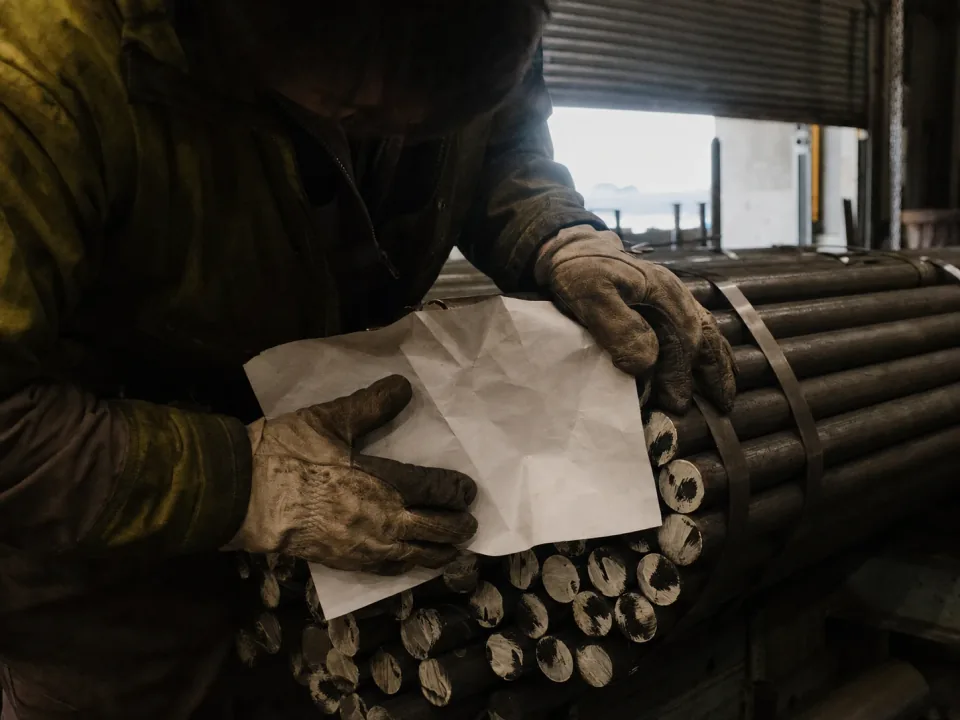
Goods-in registers the billet against its heat/lot number and EN 10204 3.1 mill cert — chain of custody starts at the loading bay, not at the machine. The cert is captured once and never re-typed.

Data thread →
02

Cut the route

The multi-op traveller runs the job across machines — each op booked with its setup sheet, tool offsets, operator and machine, so op 10 to op 40 is a live record, not a paper bag round the shop.

Routing →
03

Inspect the first article

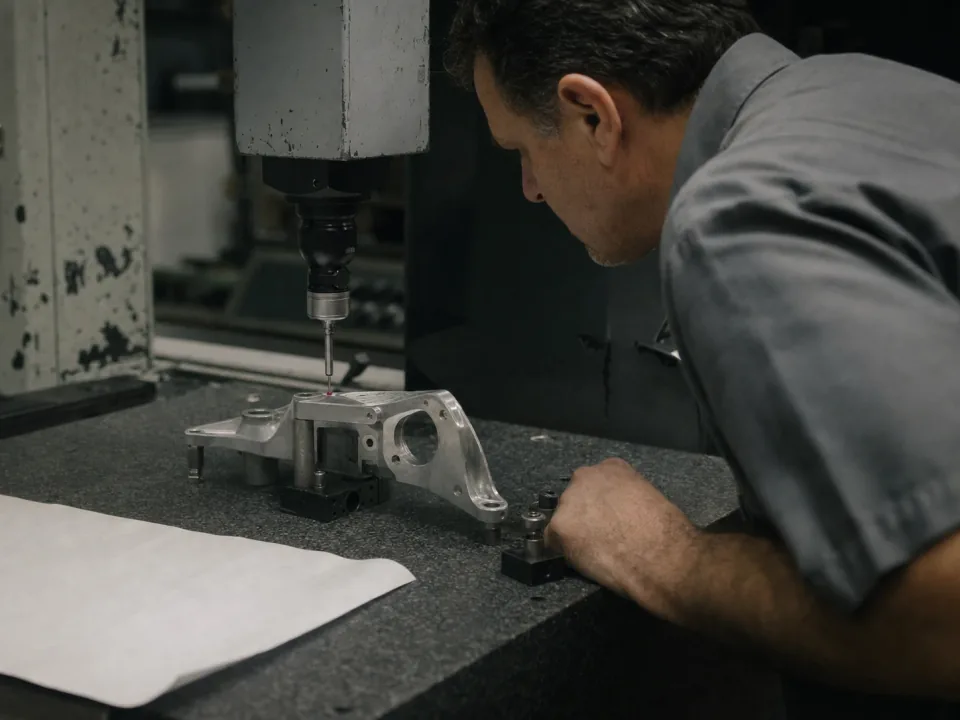
First-article and in-process checks capture ballooned characteristics, CMM results and objective evidence against the drawing — a failed dimension raises an NCR on the spot instead of at final.

Quality →
04

Ship with the pack

The part is serialised and the AS9102 FAIR pack, cert of conformity and heat-lot genealogy assemble themselves from the record — audit-ready the same day, not rebuilt in Excel the week the customer asks.

Documents →
The reality on your floor

The metal's cut right. The paperwork isn't.

It's everything around the machining — building FAIR packs, chasing heat numbers, keeping travellers straight across ops — that eats the QA day and puts the AS9100 approval at risk.

01

FAIR packs by hand

AS9102 Forms 1, 2 and 3, ballooned prints, CMM reports and mill certs assembled by hand into Word and Excel — the better part of a day per first article, and the format changes with every customer.

02

The heat-number chase

A customer NCR lands on a suspect batch. Finding which jobs used that heat means digging through goods-in books, job bags and despatch notes — hours of archaeology before you can even answer the question.

03

Travellers gone walkabout

A multi-op route lives on a paper bag that follows the job round the shop. Setup sheets, offsets and inspection sign-offs get lost between op 20 and op 30 — and nobody can say where the job actually is.

Where Bulk earns its keep

The blocks that hold an AS9100 approval.

Configured around your part families and customer FAIR formats — the parts a subcontract machinist leans on, wired to one auditable record.

Multi-op routing & travellers

Every job routed across machines op by op — setup sheet, offsets, operator and machine booked at each step. The traveller is live, not a paper bag, so you always know which op the job is on.

Routing →
Heat-lot & material traceability

The heat/lot number and mill cert booked at goods-in follow the material through every op to the shipped serial — a recall or NCR trace is a query, not a day in the archive.

Data thread →
First-article & in-process inspection

Ballooned characteristics, CMM results and objective evidence captured against the drawing — the AS9102 FAIR pack builds itself, and an out-of-tolerance dimension raises an NCR on the spot.

Quality →
Setup sheets & cert packs

Digital setup sheets and work instructions at the machine; certs of conformity and FAIR packs generated from the record — branded, reviewed and out the same day.

Documents →
Machine loading & job scheduling

Load the shop against real machine capacity and see the backlog live — so you can quote a customer a delivery date that holds, not a guess off the whiteboard.

Scheduling →
Spindle time & utilisation

Cutting time, setup time and downtime per machine surfaced as OEE — the numbers that tell you where the next spindle-hour of capacity actually is.

OEE analytics →
Proof on the floor

The FAIR pack goes out the same day.

When the heat number is booked once and the inspection evidence is already attached, the first article stops being a bottleneck — and the recall trace stops being a fire drill.

84% Time to build an AS9102 FAIR pack at Ashcombe Precision
9 min Heat-lot to shipped-serial recall trace
0 Re-keys between the machine and the cert
“A first article used to be a day in Excel ballooning prints and hunting mill certs. Now the FAIR pack assembles itself off the traveller, and when a customer queries a heat number I answer in minutes instead of trawling the job bags.”
AP
Danny Okafor, Quality ManagerAshcombe Precision Engineering — AS9100D subcontract machining
Straight answers

Questions, answered.

01

Is Bulk an ERP, an MES or job-shop software?

None of them, exactly — and that's deliberate. An ERP re-platforms your quoting, purchasing and accounts; a machining MES watches spindles and machine states. Bulk is the layer in between: production tracking, multi-op routing, material traceability and quality on the shop floor. Shops that already run an ERP keep it and wire Bulk to the floor; most shops our size are replacing paper travellers and spreadsheets, not systems.

02

Can Bulk build an AS9102 FAIR pack automatically?

Yes. As the job runs, Bulk captures the ballooned characteristics, inspection results, CMM data, mill certs and operator sign-offs against the drawing. The FAIR pack — Forms 1, 2 and 3 with objective evidence — assembles itself from that record in your customer's format, instead of being rebuilt by hand in Word and Excel per first article.

03

How does heat-lot traceability work across a multi-op route?

The heat/lot number and EN 10204 3.1 mill cert are booked against the material at goods-in and carried through every op — op 10 to final inspection — onto the finished part's serial number. When a customer NCR or recall names a heat lot, you query it and see every job, operation and serial made from that material, forwards and backwards, in minutes.

04

We already run machine monitoring or DNC — does Bulk replace it?

No. Keep your machine-monitoring or DNC system; Bulk runs the job, not the spindle. Where a system exposes cutting-time or utilisation data we can pull it into the OEE view, but Bulk's job is the traveller, the traceability and the cert pack around the machining — the record your customers and auditors ask for.

05

We do fabrication and welding as well — is there a page for that?

Yes — our metal fabrication & welding software page (/metal-fabrication-software) is the sibling to this one. It covers weld maps, EN 1090 / ISO 3834 and heat-number traceability for fab shops. Shops that do both machining and fabrication run one Bulk with both routes on the same floor; the two pages just speak the vocabulary of each trade.

06

How long does rollout take and what does it cost?

One part family end to end first — raw bar to shipped serial with its FAIR pack — proven on real jobs in weeks, then the rest follow on the same pattern. Never a big-bang cutover. Pricing is one per-site figure with every module included — no per-module upsell, hosting and rollout in the number. Early-access shops work directly with the build team.

Let's run one job through.

Pick a part you machine every week. We'll configure it end to end — raw bar to shipped serial — and show you the FAIR pack and the heat-lot genealogy assembling themselves.