


Injection moulding software for production, quality and full traceability
This is your floor. These are the modules on it.
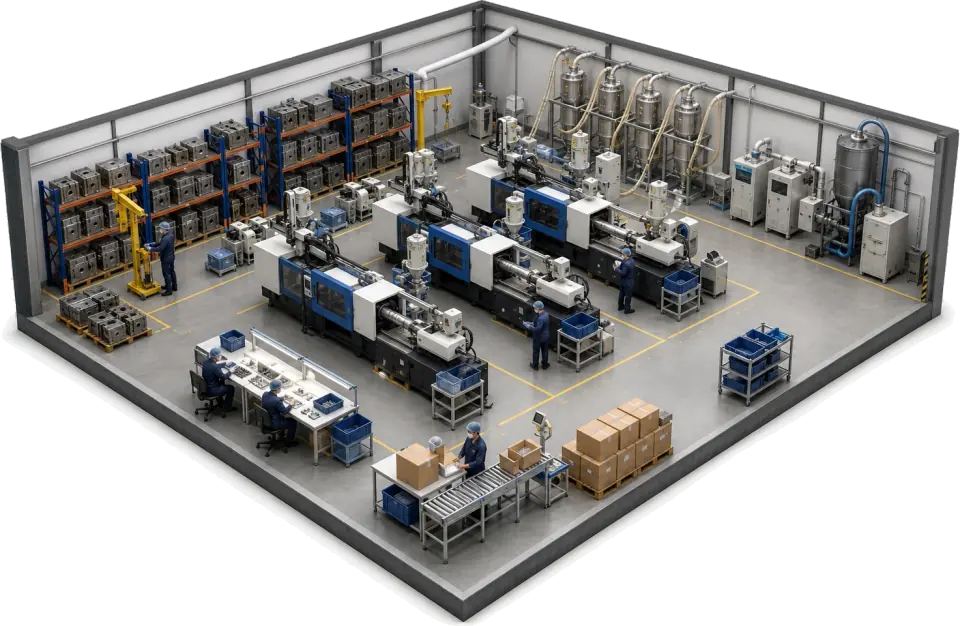
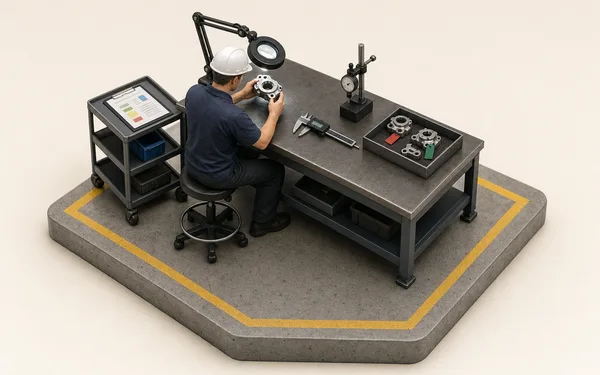
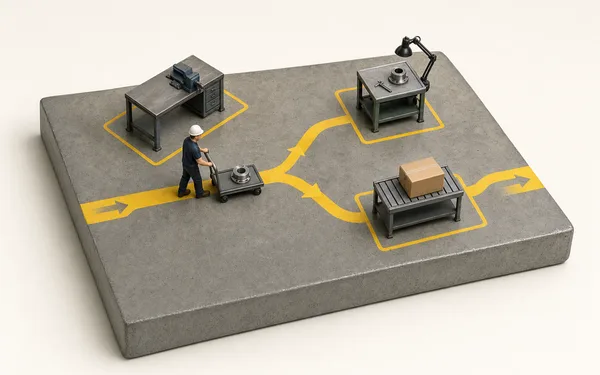
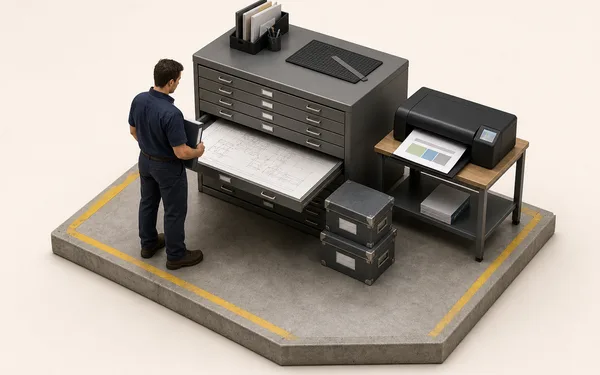
A moulding shop, bird view — every pin is a Bulk module doing a real job on that spot of the floor, from the resin store to the press bank to despatch. Click one to see the module.
What holds up on a live floor.
Once every job runs on one live record, these are the outcomes you can point at — not a board-pack story.
Not an MES. Not a plastics ERP. The layer your moulding floor actually needs.
Most software pitched at an injection moulder is either a machine-integration MES that wants a sensor on every press before it earns its keep, or a plastics ERP that re-platforms the whole business before the first tool is hung. Bulk is the layer in between — the traceability, scheduling and quality system for the moulding floor, running on paper travellers today and clean data tomorrow, without the rip-and-replace.
Every resin lot, masterbatch, tool, cavity, press, shot and shipped part lives on one record. When an OEM customer flags a suspect batch, the recall trace — resin lot forward through press, tool and specific cavity to every part that left the door, and back again — is a couple of clicks, not a day lost in shot logs and delivery notes.
Early access means you work directly with the build team, and we configure Bulk around your tools, your cavity layouts and your report formats — not a generic plastics template you have to bend your floor to fit.
From resin lot to shipped part, one thread.
Follow one resin lot through the shop — every step lands on the same live record, so the genealogy and the certificate of conformity are side effects of doing the work, not a job for Friday afternoon.
Book the resin lot in
Goods-in registers the resin and masterbatch against supplier lot and delivery note — OCR reads the paperwork so nothing is re-typed. Chain of custody starts at the silo, not the press.
Inventory →Set the tool and press
The schedule plans the run against the tool, the press and cavity count. The lot loaded, the setter and the setup sheet are pinned to the job before the first shot fires.
Scheduling →Run the press
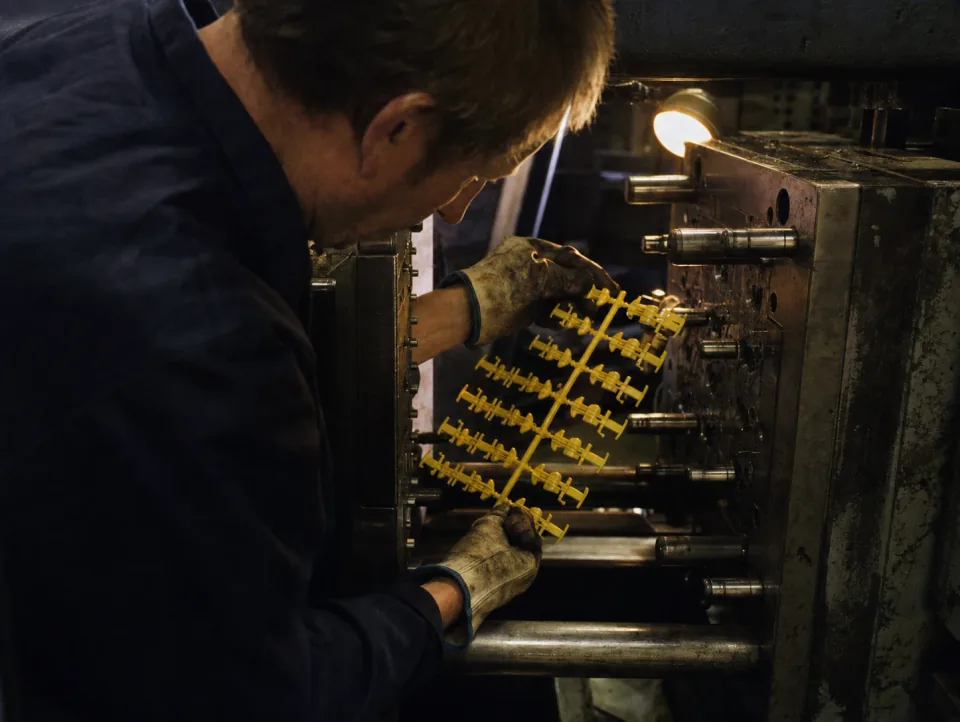
Shots, downtime and cavity checks land against the job as it runs — SPC per cavity, short shots and rejects logged once. A failed first-off raises an NCR on the same record.
Quality →Trace and despatch
Every part carries its resin lot, tool, cavity and press. The CoC builds itself, and a recall runs both ways — suspect lot to every shipped box, box back to its shot — in a couple of clicks.
Data thread →The tool runs clean. The paper trail doesn't.
It is everything around the shot — logging resin lots, chasing scrap by cavity, reconstructing a genealogy when an OEM calls — that eats the day and puts the account at risk.
Genealogy lives in shot logs
When a customer flags a suspect resin lot, the trace forward to shipped parts means cross-referencing delivery notes, press diaries and despatch sheets by hand — hours you don't have while an OEM waits.
Scrap you can't pin to a cavity
Rejects get counted by the run, not the cavity. A single bad cavity in an eight-impression tool bleeds scrap for a week before anyone can prove which one — because the data was never that granular.
OEE is a spreadsheet nobody trusts
Downtime gets written on a clipboard and typed up later, if at all. By the time the OEE number appears it's a fortnight old and argued over — useless for deciding which press to fix first.
The blocks that hold a recall trace.
Configured around your tools, cavity layouts and report formats — the parts a moulder leans on, wired to one auditable record.
Every run logged against tool, press, cavity count and resin lot — shots, cycle and downtime captured once and flowing to every downstream record.
Production →Dimensional and process checks recorded per cavity, not per run — so a single bad impression is caught early, and a failed first-off raises an NCR on the same thread.
Quality →Every resin, masterbatch and additive tracked by supplier lot with delivery-note OCR at goods-in — full chain of custody from silo to shipped part.
Inventory →Plan runs against tools, presses and setters, see the backlog and tool availability live, and give a customer a real date — not a guess off a whiteboard.
Scheduling →Trace a suspect lot forward through press, tool and specific cavity to every shipped part, and any part back to its shot — the recall both ways, in clicks.
Data thread →Availability, performance and quality per press and per tool, built from the downtime and reject data captured at the machine — live, not a fortnight old.
OEE analytics →The recall trace takes minutes, not a day.
When the resin lot, the cavity and the shipped part all sit on one record, the OEM-supplier accountability moment stops being a scramble — and becomes something you answer while they're still on the phone.
Questions, answered.
Is Bulk an MES or an ERP for injection moulding?
Neither, and that's deliberate. An MES is machine-integration first — it wants sensors on every press before it does much. A plastics ERP re-platforms your whole business. Bulk is the operations layer in between: press and shot tracking, cavity SPC, resin-lot genealogy, scheduling and OEE on one record, running on manual entry today and machine data as you add it. Most moulders our size replace spreadsheets and paper travellers, not systems.
Can Bulk trace a resin lot to a specific cavity?
Yes — that's the core of it. A run is logged against its tool, press, cavity count and the exact resin and masterbatch lots loaded. So a recall runs both ways: a suspect lot forward to every cavity, part and shipped box it touched, and any returned part back to its shot. Cavity-level, not just run-level.
Does Bulk pull data straight from our presses?
Where a machine exposes data — Euromap/OPC-UA, a PLC or a file drop — shot counts, cycle and downtime can flow in automatically. Where it doesn't, the setter or operator enters it at the machine and the same single-entry rule applies downstream. You get value from day one on manual entry, and tighten the loop press by press. We're early access, so machine connectors are built with you against your actual fleet, not promised off a list.
Can we run SPC at cavity level?
Yes. Dimensional and process checks are recorded per cavity rather than per run, so a single drifting impression in a multi-cavity tool is caught before it bleeds a week of scrap. A failed first-off or an out-of-limit check raises an NCR on the same record, tied to the tool and cavity.
How does OEE work across a bank of presses?
Availability, performance and quality are built from the downtime, cycle and reject data captured at each machine — so OEE is live per press and per tool, not a spreadsheet typed up a fortnight later. You can see which press is costing you and why, and decide where to send the maintenance hours.
What does it cost, and how long does rollout take?
One per-site price with every module included — no per-module upsell, hosting and rollout in the figure. Rollout is one tool end to end first: resin lot to shipped part, proven on real work in weeks, then the rest of the tools follow the same pattern. Never a big-bang cutover. Early-access moulders work directly with the build team.
Let's run one tool through.
Pick a job you mould every week. We'll configure it end to end — resin lot to shipped part — and show you the genealogy and the CoC assembling themselves as the press runs.