

Materials testing lab software for ISO 17025 traceability, scheduling and certificates
This is your floor. These are the modules on it.
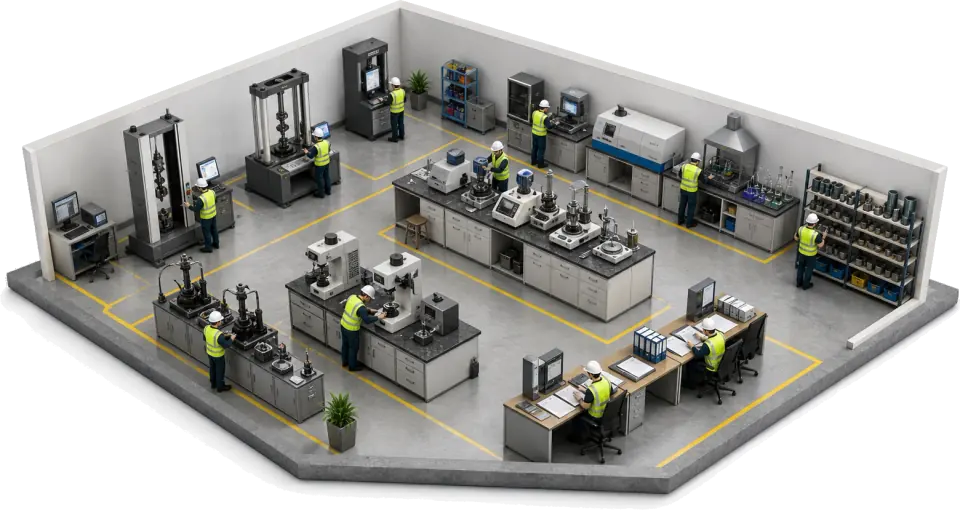
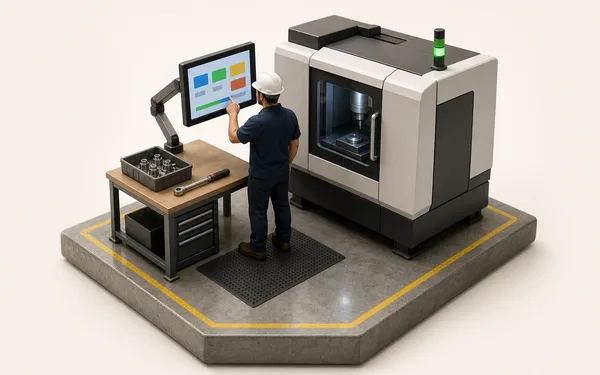
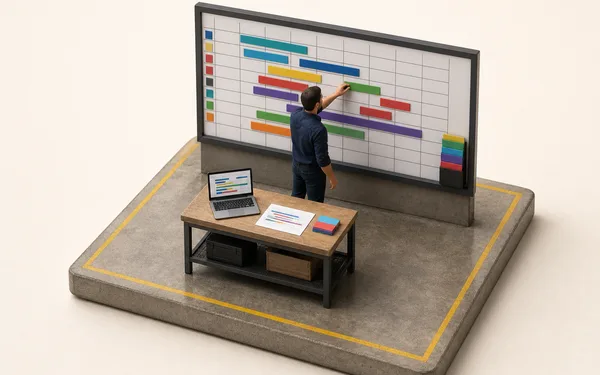
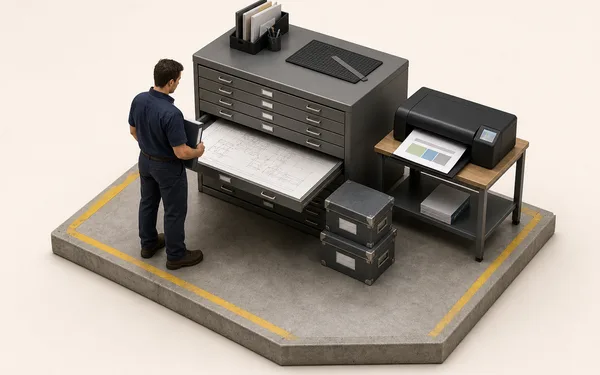
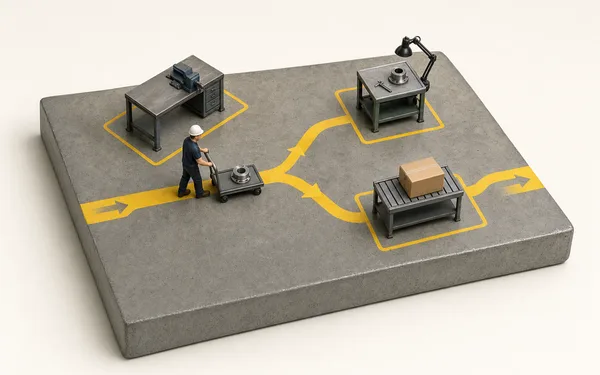
A materials-testing house, bird view — every pin is a Bulk module doing a real job on that spot of the floor. Click one to see the module.
What holds up on a live floor.
Once every job runs on one live record, these are the outcomes you can point at — not a board-pack story.
Not a LIMS. Not an ERP. The layer your lab actually needs.
Most software aimed at a materials testing lab is either a LIMS — samples in, results out, blind to everything around the bench — or an ERP that wants your whole business re-platformed before the first test is logged. Bulk is the layer in between: the traceability, scheduling and quality system for the lab floor, without the rip-and-replace.
Every specimen, method, rig, technician and certificate lives on one record. The evidence UKAS asks for assembles itself as work happens — calibration in date, competency current, method controlled — instead of being reconstructed the week before a surveillance visit.
From specimen to certificate, one thread.
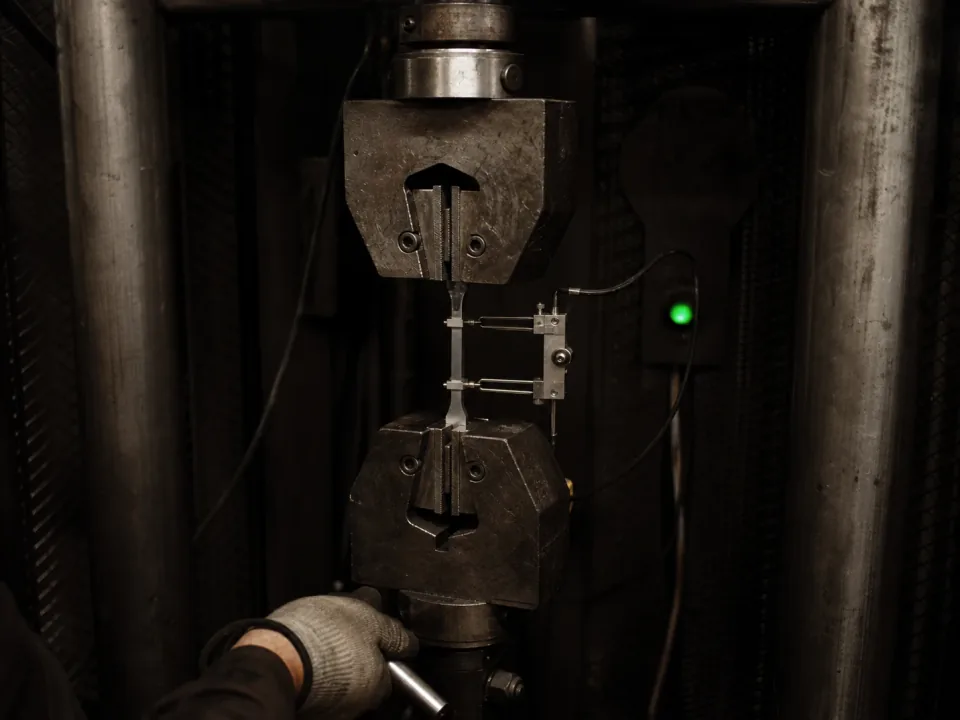
Follow one tensile test through the lab — every step lands on the same live record, so the certificate and the audit trail are side effects of doing the work.
Log the sample
Goods-in registers the specimen against job, customer and material batch — chain of custody starts at the door, not at the bench.
Data thread →Schedule the method
The queue plans itself against rigs and qualified technicians. A lapsed calibration or expired competency blocks the booking before it happens.
Scheduling →Run the test
Results land once — sensor-fed where the rig allows, typed where it doesn’t — and flow to every downstream document unchanged.
Quality →Issue the certificate
The cert builds itself from result, method and calibration record — branded, reviewed, out the same day, with the UKAS evidence attached.
Documents →The science is sound. The paperwork isn’t.
It’s everything around the test — transcribing readings, building certs, proving the rig was in calibration — that eats the technician’s day and risks the accreditation.
Readings, re-typed
A value read off the rig, written on a sheet, typed into a spreadsheet, copied into a cert. Four chances for a transposed digit on a result a customer relies on.
Certs take days
Assembling a certificate means hunting for results, calibration records and method references across folders — turnaround a customer feels, and a competitor undercuts.
Accreditation chasing
UKAS and ISO 17025 want evidence: calibration in date, technician competent, method controlled. Proving it at audit means a scramble through spreadsheets.
The blocks that hold an accreditation.
Configured around your test methods and report formats — the parts a testing house leans on, wired to one auditable record.
Sensor- or PLC-fed where the rig allows, typed where it doesn’t — the value lands once and flows everywhere downstream.
Quality →The cert builds itself from the result, the method and the calibration record — branded, reviewed and out in minutes.
Documents →Equipment calibration and technician sign-offs tracked with expiries — a result can’t be issued on a lapsed rig.
Training →Every specimen tied to its job, batch and customer — full chain of custody from goods-in to issued certificate.
Data thread →Plan the queue against rigs and technicians, see the backlog live, and tell a customer a real date — not a guess.
Scheduling →Calibration, competency, method and result on one queryable thread — UKAS evidence pulls itself together.
Audits →The cert goes out the same day.
When the result lands once and the evidence is already attached, turnaround stops being a bottleneck — and becomes something you quote against.
Questions, answered.
Is Bulk a LIMS?
No — and that’s deliberate. A LIMS manages samples and results; Bulk runs the operation around them too: scheduling against rigs and people, calibration and competency gates, NCRs, documents and the certificate itself. Labs that already run a LIMS keep it; most labs our size replace spreadsheets, not systems.
How does Bulk handle ISO 17025 and UKAS evidence?
Evidence is captured at source: every result carries the method revision, the rig’s calibration state and the technician’s competency at the moment of test. When an assessor asks, the trail already exists — nothing is reconstructed.
Can results flow straight from the test rig?
Where the rig exposes data (sensor, PLC or file drop), yes — the value lands once and is never re-typed. Where it doesn’t, the technician enters it at the bench and the same single-entry rule applies downstream.
Does Bulk replace our ERP or accounts system?
No. Bulk runs the lab floor and its records; invoicing can draw from the same job data, but your accounts platform stays. This is the layer between the bench and the back office — not a rip-and-replace project.
How long does rollout take for a single-site lab?
One method end to end first — specimen to certificate — proven on real work in weeks, then the rest of the methods follow on the same pattern. Never a big-bang cutover.
What does it cost for a lab like ours?
One per-site price with every module included — no per-module upsell, hosting and rollout in the figure. Early-access labs work directly with the build team.
Let’s run one method through.
Pick a test you do every day. We’ll configure it end to end — specimen to certificate — and show you the evidence assembling itself.