
Bulk
PCB assembly

Production, quality & traceability software for PCB assembly and electronics manufacturers

Your line, on one record

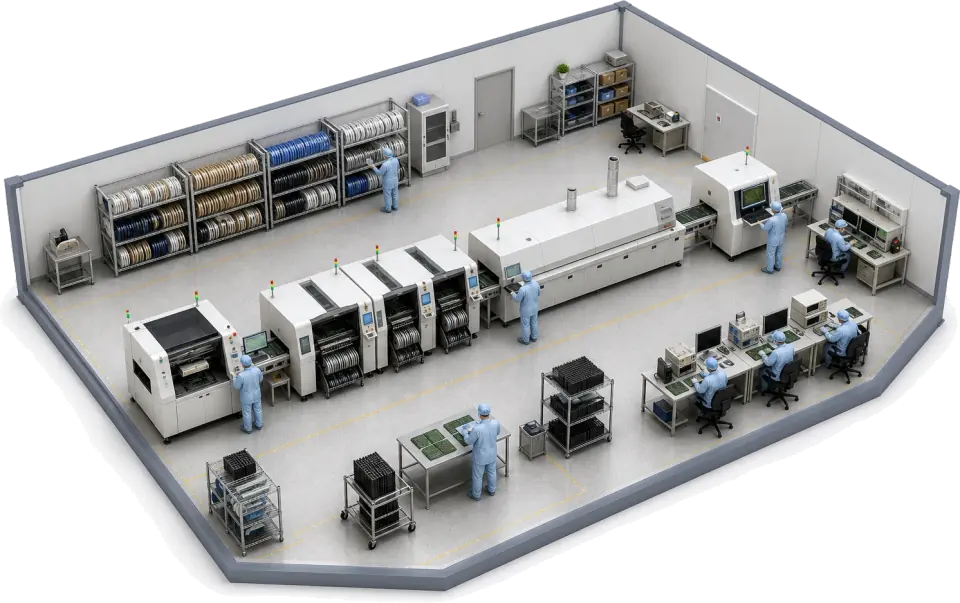
This is your floor. These are the modules on it.

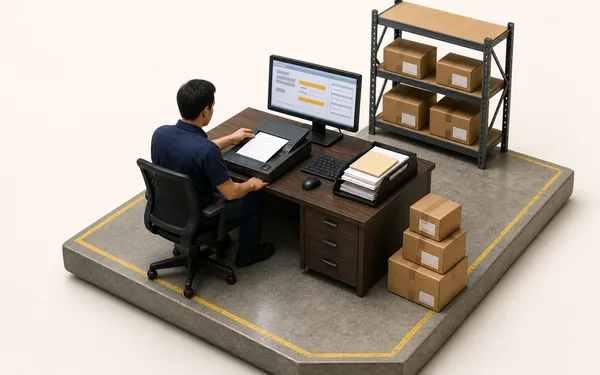
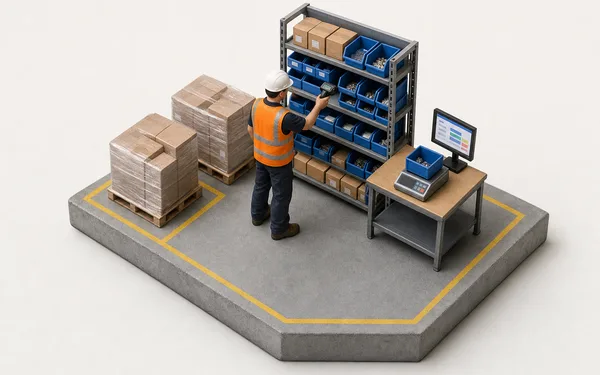
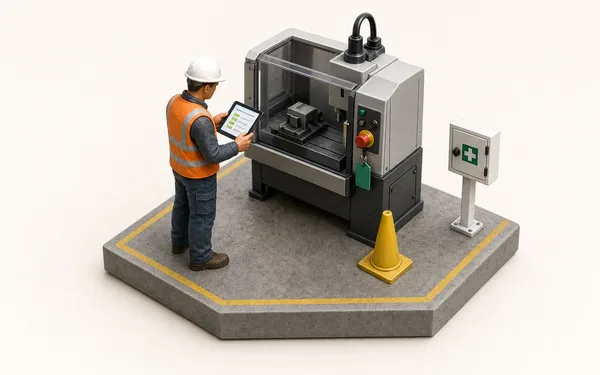
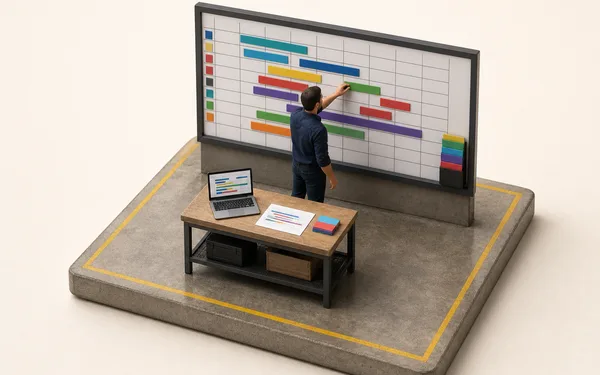
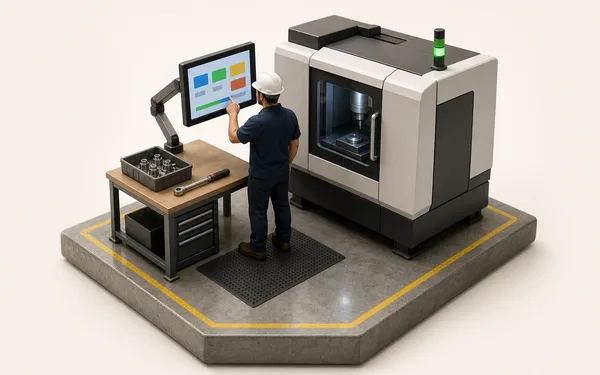
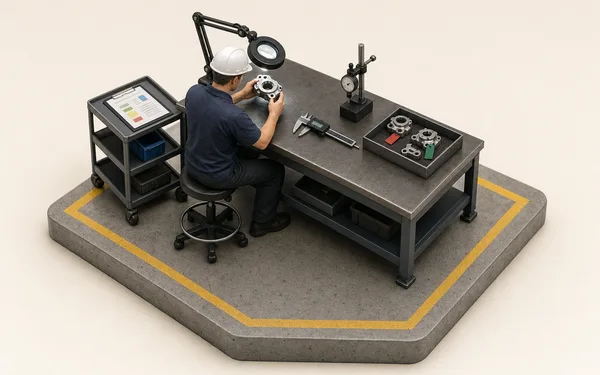
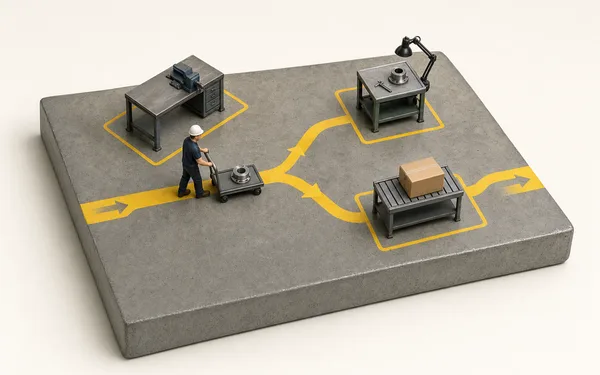
An electronics assembly shop, bird view — every pin is a Bulk module doing a real job on that spot of the floor, from goods-in to the test bench. Click one to see the module.

Module AI agent Reporting Automation
On the floor

What holds up on a live floor.

Once every job runs on one live record, these are the outcomes you can point at — not a board-pack story.

30 s Serial to full genealogy
99.4% First-pass yield captured
0 Re-keys, feeder to serial
100% Board-level traceability held

Not an MES. Not an ERP. The traceability layer your line actually needs.

Most software aimed at a PCB assembly shop is either an MES that expects every pick-and-place, reflow oven and AOI head wired in before it tells you anything — or an ERP that wants the whole business re-platformed before the first board is built. Bulk is the layer in between: the traceability, scheduling and quality system for the SMT floor, without the rip-and-replace.

Every reel lot, date code, board serial, inspection result and process step lives on one record. The genealogy an OEM customer or an AS9100 auditor asks for assembles itself as the line runs — feeder setup logged, moisture clock kept, IPC-A-610 class recorded — instead of being reconstructed from travellers and spreadsheets the week a field return lands.

It works on a manual or hybrid line too. Where a machine exposes data, Bulk reads it; where it doesn't, the operator scans and the same single-entry rule holds all the way to the shipped serial.

How Bulk works on an assembly line

From paste to test, one serial.

Follow one board through the shop — every step lands on the same live record, so the genealogy and the certificate of conformance are side effects of building the board.

01

Kit the reels

Stores picks the BOM against the work order — every reel lot, date code and moisture clock bound to the job before it reaches the line. A part out of floor life won't kit.

Inventory →
02

Set up the line

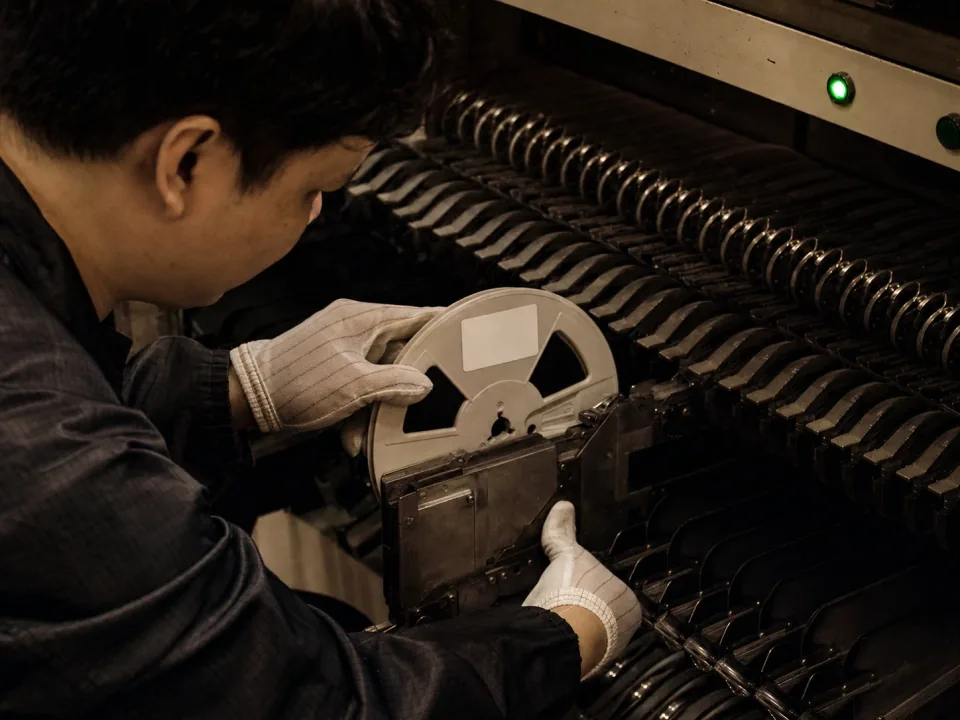
Feeder setup ties each reel lot to a slot; the board takes its serial at load. From here the serial carries the exact lots loaded behind it — no traveller to transcribe.

Data thread →
03

Inspect to IPC-A-610

AOI, ICT and visual results land once against the serial, graded to the customer's IPC-A-610 class. A defect opens an NCR on the spot — the board can't ship past it.

Quality →
04

Ship with the genealogy

Scan the finished serial and the whole build surfaces — reel lots, date codes, reflow step, inspection result, operator. The certificate of conformance builds itself from it.

Documents →
The reality on your floor

The line runs fine. The traceability doesn't.

It's everything around the placement — reel lots on paper travellers, date codes chased at goods-in, proving which parts went on which board — that eats the day and exposes the shop when a field return lands.

01

Lots live on travellers

The reel that went on feeder 12 is a handwritten line on a paper traveller that gets filed, lost or copied wrong. When an OEM asks which lot is on their board, the answer is an afternoon in the archive.

02

Recalls take days

A customer flags a suspect component date code. Working out which serials it touched means cross-referencing kit lists, travellers and dispatch notes by hand — while the customer waits and the containment window closes.

03

AS9100 chasing

AS9100 and IPC-A-610 want evidence: operator trained, inspection class recorded, moisture clock kept, NCR closed out. Proving it at audit means a scramble across spreadsheets no one owns.

Where Bulk earns its keep

The blocks that hold a genealogy.

Configured around your BOMs, IPC class and customer report formats — the parts an EMS shop leans on, wired to one auditable record.

Board serial genealogy

Scan a finished serial and surface every reel lot, date code, process step and inspection behind it — the field-return trace in seconds, not an afternoon in the archive.

Data thread →
Reel & lot control

Component lots, date codes and moisture-sensitive floor life tracked with expiries — a part out of MSD life or off-spec can't be kitted onto a job.

Inventory →
IPC-A-610 inspection

AOI, ICT and visual results logged against the serial, graded to the customer's class 2 or class 3 acceptance — a failed check opens an NCR before the board moves on.

Quality →
SMT line scheduling

Plan the line against jobs, changeovers and kit readiness, see the backlog live, and give a customer a real ship date instead of a guess.

Scheduling →
Certificate of conformance

The CoC builds itself from the genealogy — lots, inspection result and process record attached — branded, reviewed and out with the shipment.

Documents →
AS9100 audit evidence

Operator competency, inspection class, NCR-to-8D closure and lot traceability on one queryable thread — the evidence pack pulls itself together.

Audits →
Proof on the line

The recall trace goes from a day to thirty seconds.

When the serial carries its own genealogy and the inspection is already attached, a field return stops being a fire drill — and traceability becomes something you win contracts on.

82% Time to trace a field return at Solent Circuits
99.4% First-pass yield captured on the SMT line
0 Re-keys between feeder and board serial
“When a customer flags a field failure we scan the board serial and the whole build is there — every reel lot, the date codes, the reflow step, the AOI result. What used to be a day lost in the shared drive is thirty seconds at the bench, and our AS9100 surveillance was the quietest we've had.”
SC
Marcus Ellery, Quality ManagerSolent Circuits — AS9100 / IPC-A-610
Straight answers

Questions, answered.

01

Is Bulk an electronics MES?

No — and that's deliberate. An MES drives the machines; Bulk is the traceability, quality and production-record layer over the line. Where your pick-and-place, reflow oven or AOI exposes data, Bulk reads it; where it doesn't, the operator scans and the record still holds. Shops running manual or hybrid lines get full board genealogy without wiring every head in first.

02

How does component and board traceability actually work?

Reel lots, date codes and moisture clocks are bound to the job at kitting, and feeder setup ties each lot to a slot. The board takes its serial at load, so the serial carries the exact lots loaded behind it. Scan a finished serial and the whole build — lots, process steps, inspection results, operator — surfaces on one record. No paper traveller to transcribe.

03

Can it handle IPC-A-610 inspection and NCR-to-8D?

Yes. Inspection is graded to the customer's IPC-A-610 acceptance class, and AOI, ICT and visual results log against the board serial. A failed check opens an NCR on the spot and escalates to an 8D where it's warranted — the board can't ship past an open defect, and the closure is part of the audit trail.

04

Does it track moisture-sensitive devices and floor life?

Yes. MSD parts carry a floor-life clock from the moment the bag is opened; a reel out of its exposure window won't kit onto a job, and the exposure history stays on the lot record. Bake and re-clock events are logged against the same lot rather than a whiteboard.

05

Does Bulk integrate with our pick-and-place, AOI or ERP?

Where a machine exports data — feeder logs, AOI results, test outputs — Bulk ingests it so nothing is re-keyed. For the back office it sits alongside your ERP or accounts platform, drawing on the same job data for CoCs and invoicing rather than replacing it. This is the layer between the line and the office, not a rip-and-replace.

06

How long does rollout take, and what does it cost?

One line end to end first — paste to test, proven on real boards in weeks — then the rest of the floor follows on the same pattern. Never a big-bang cutover. Pricing is one per-site figure with every module included: no per-module upsell, hosting and rollout in the number. Early-access shops work directly with the build team.

Let's run one board through.

Pick a job you build every week. We'll configure it end to end — reel kitting to test bench — and show you the genealogy assembling itself behind the serial.