
Bulk
Industrial machinery

Industrial machinery manufacturing software for makers who build to order — production, quality and traceability without the ERP rip-out

Your build hall, on one record

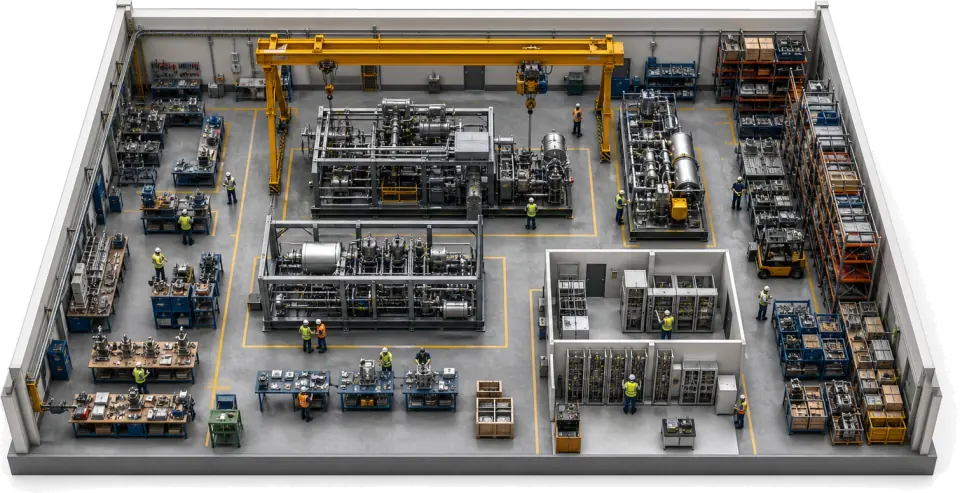
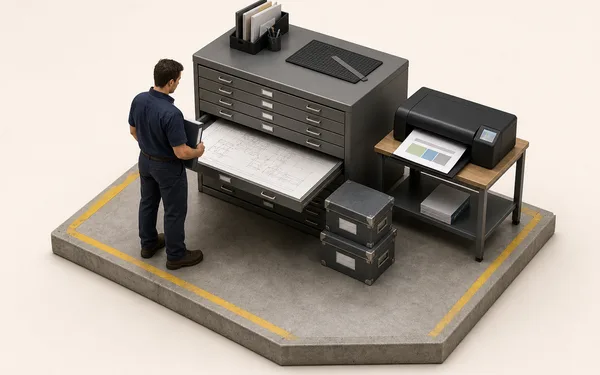
This is your floor. These are the modules on it.

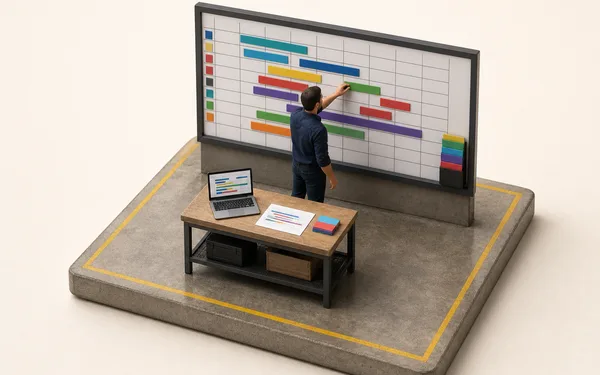
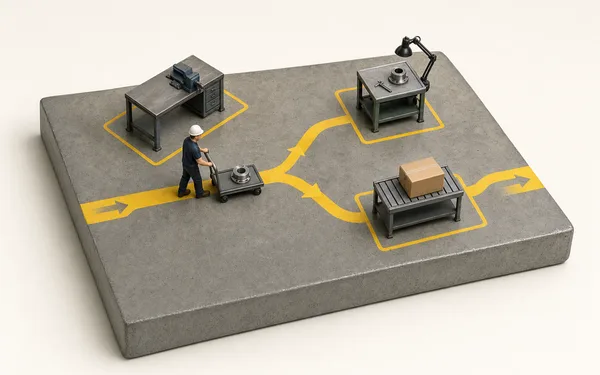
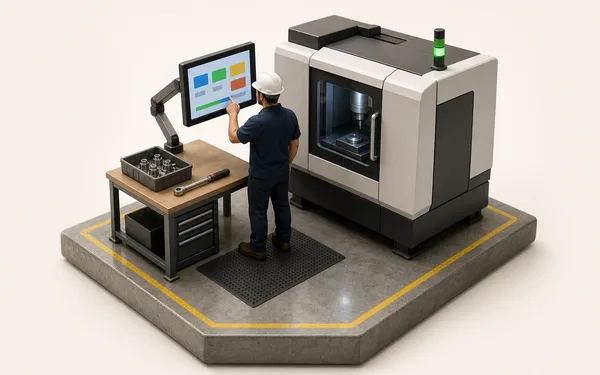
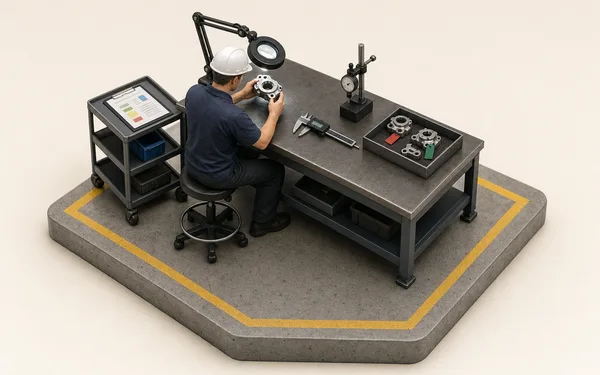
A machine-building shop, bird view — every pin is a Bulk module doing a real job on that spot of the floor, from goods-in to the despatch bay. Click one to see the module.

Module AI agent Reporting Automation
On the floor

What holds up on a live floor.

Once every job runs on one live record, these are the outcomes you can point at — not a board-pack story.

83% As-built pack assembly time
98.4% First-pass inspection sign-off
0 Re-keys, cert to technical file
100% Serialised parts traced to machine

Not an MES. Not an ERP. The record every machine you ship actually needs.

Software aimed at machine builders is usually one of two things: an MES built for repeat, high-volume lines that never sees a one-off, or an ERP that wants your whole business re-platformed before the first machine leaves the bay. Bulk is the layer in between — the production, quality and traceability system for the assembly floor, without the rip-and-replace.

Every engineer-to-order build gets its own live record: the works order, the kit of long-lead and bought-in parts, each serialised sub-assembly, the inspections and FAT results, the NCRs and the drawings. Nothing lives in a builder's head or a folder on the shared drive.

When a customer rings two years on asking where a failed part came from, the as-built genealogy is already there. When despatch needs a CE/UKCA technical file and Declaration of Conformity, it assembles itself from the build — not from a fortnight of chasing paper.

How Bulk works on a machine build

From loading bay to Declaration of Conformity, one as-built record.

Follow one machine through the shop — every part, step and test lands on the same live serial record, so the as-built genealogy and the CE/UKCA technical file are side effects of building it.

01

Kit the build

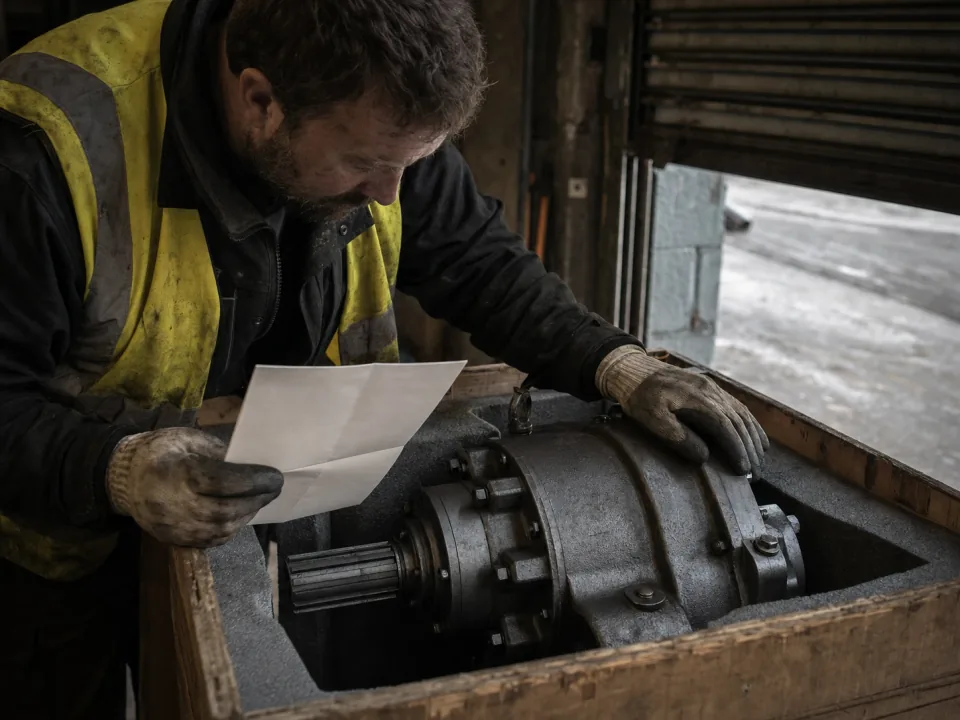
Long-lead castings, bought-in drives and sub-assemblies book against the machine's works order at goods-in — each carrying its supplier cert and heat/lot where it matters. Genealogy starts at the loading bay, not the test rig.

Inbound OCR →
02

Build & sign off each stage

Assembly and sub-assembly steps are captured against the serial, work instructions followed and inspections signed as the machine goes together. Nothing is 'done' until it's evidenced.

Production →
03

Test, commission, resolve

FAT results, functional checks and any NCR land on the same serial record — an 8D runs to closure against the exact machine, not a spreadsheet tab nobody reopens.

Quality →
04

Ship with the file

The as-built record and the CE/UKCA technical file — drawings, parts list, test reports, risk assessment, traceability — plus the Declaration of Conformity assemble themselves from the build, ready before the machine is craned onto the lorry.

Documents →
The reality in your build hall

You build one-offs. Your paperwork treats every one as a first.

The engineering is the easy part. It's proving what went into each machine — and rebuilding the technical file every despatch — that eats a project engineer's week.

01

Every machine is a one-off

No two builds are identical, so the history lives in a job folder, a paper traveller and the lead builder's memory. When they're on holiday, so is the knowledge of what went into machine 0412.

02

'Where did this part come from?'

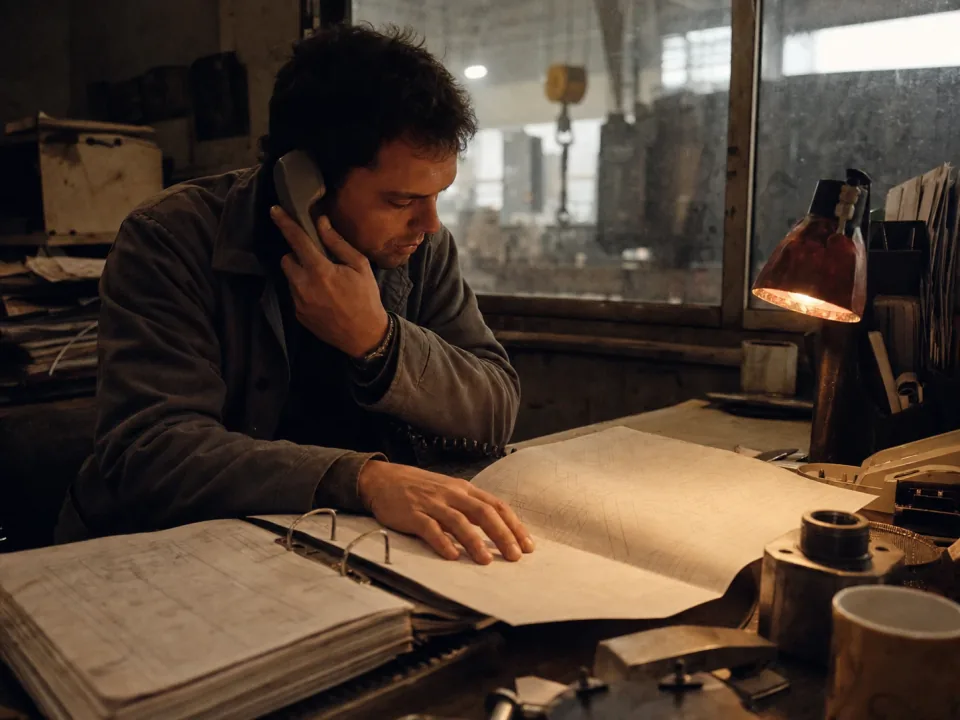
A warranty or field-failure query on a machine you shipped two years ago means reconstructing the as-built from travellers, emails and goods-in notes — days of digging to answer one question a customer wants answered now.

03

The technical file is a scramble

Every CE/UKCA Declaration of Conformity needs drawings, parts lists, test reports, risk assessments and traceability pulled together by hand at despatch — a compliance job no US-built MES even speaks to.

Where Bulk earns its keep

The blocks that ship a machine and its file together.

Configured around your build routes and report formats — the parts a machine builder leans on, wired to one auditable serial record.

As-built serial genealogy

Every serialised component, sub-assembly and test tied to the specific machine — the 'where did this part come from' recall or warranty query answered in one click, years after despatch.

Data thread →
CE/UKCA technical file & DoC

Drawings, parts lists, test reports, risk assessments and traceability assemble into a compliant technical file and Declaration of Conformity straight from the build record — not rebuilt by hand every despatch.

Documents →
Build routes & work instructions

Each ETO build carries its own route and controlled work instructions — the right revision at the right station, no printed pack a fortnight out of date.

Routing →
Inspection, NCR & 8D

FAT, in-process checks and nonconformances land against the serial; an 8D runs to closure on the exact machine, with the corrective action on record for the next build.

Quality →
ETO build planning

Plan long, overlapping builds against bays, fitters and long-lead deliveries — see the real bottleneck and give a customer a despatch date you can stand behind.

Scheduling →
Supplier certs & long-lead parts

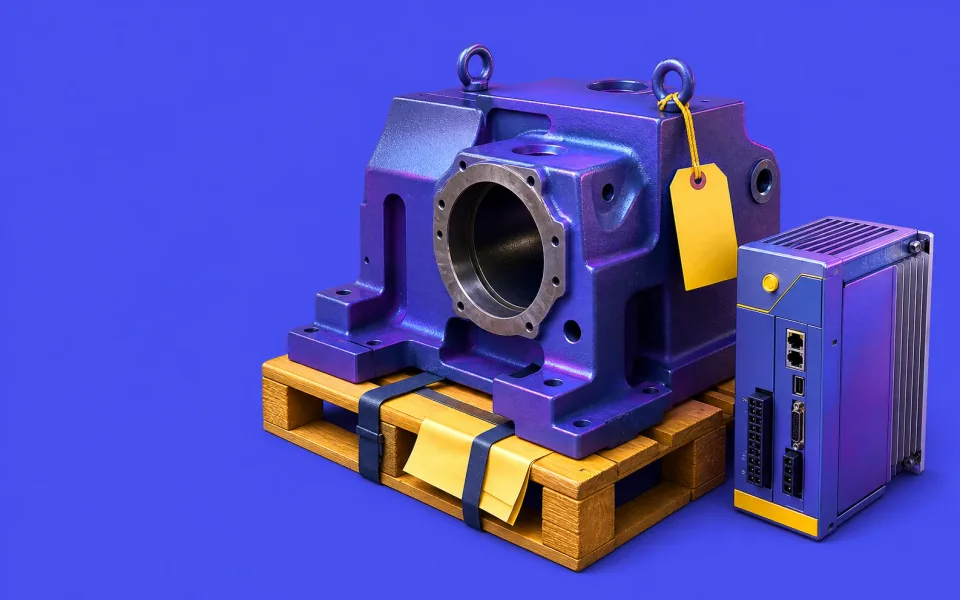
Bought-in drives, castings and assemblies booked against the machine at goods-in, their certs captured and filed — the cert is on the technical file before anyone asks for it.

Inbound OCR →
Proof on the floor

The as-built pack ships with the machine.

When every part, test and cert lands on the serial as the machine is built, the technical file stops being a despatch-week scramble — and a warranty query stops being a day lost.

83% As-built pack assembly time at Kestrel Automation
98.4% First-pass FAT sign-off
0 Re-keys, supplier cert to technical file
“A customer rang about a gearbox on a machine we shipped in 2023. We had the supplier, the batch, the FAT result and the drawing revision up on screen before he'd finished explaining the fault. That used to be a day in the archive.”
KA
Gareth WhitfieldOperations Director, Kestrel Automation — special-purpose machinery
Straight answers

Questions, answered.

01

Is Bulk an MES or an ERP for machine builders?

Neither, and that's deliberate. An MES is built for repeat lines and chokes on one-offs; an ERP wants your whole business re-platformed before you can log a build. Bulk is the production, quality and traceability layer for the assembly floor — it sits alongside whatever you use for accounts and purchasing and runs the build record itself. No rip-and-replace.

02

We're engineer-to-order — every machine is different. Can Bulk handle that?

That's exactly what it's for. Each build gets its own live record and route rather than a fixed line sequence, so a bespoke special-purpose machine and a made-to-order standard model both track cleanly. Configure the route for the build; the serial genealogy and the file follow whatever you actually did.

03

Can Bulk produce the as-built record for a machine we've already delivered?

For anything built on Bulk, yes — the as-built genealogy is assembled as the machine is built, so it's there the moment a warranty or field-failure query comes in, not reconstructed from travellers. For legacy machines built before you moved onto Bulk, you can attach their records, but the automatic genealogy starts from the builds you run on the platform.

04

Does Bulk help with the CE/UKCA technical file and Declaration of Conformity?

Yes — this is the UK whitespace we built for. Drawings, parts lists, test reports, risk assessments and traceability all live on the build record, so the Machinery-Directive technical file and the Declaration of Conformity assemble themselves at despatch instead of being pulled together by hand each time. Bulk holds and assembles the evidence; sign-off and conformity assessment stay your responsibility.

05

How does it handle long-lead bought-in parts and supplier certs?

Bought-in drives, castings, motors and sub-assemblies are booked against the machine's works order at goods-in, and their certs are captured — OCR'd off the paperwork — and filed to the serial. The cert is on the technical file before anyone goes looking for it, and long-lead items show up in build planning so a late delivery doesn't ambush the despatch date.

06

What does it cost, and how long is rollout?

One per-site price with every module included — no per-module upsell, hosting and rollout in the figure. Rollout is never a big-bang cutover: we take one machine end to end first, prove the as-built record and the technical file on a real build in weeks, then the rest of your builds follow the same pattern. Early-access machine builders work directly with the build team.

Let's build one machine through.

Pick a machine you're building now. We'll configure the route, serial genealogy and technical file end to end — and show you the as-built pack assembling itself as the build progresses.